


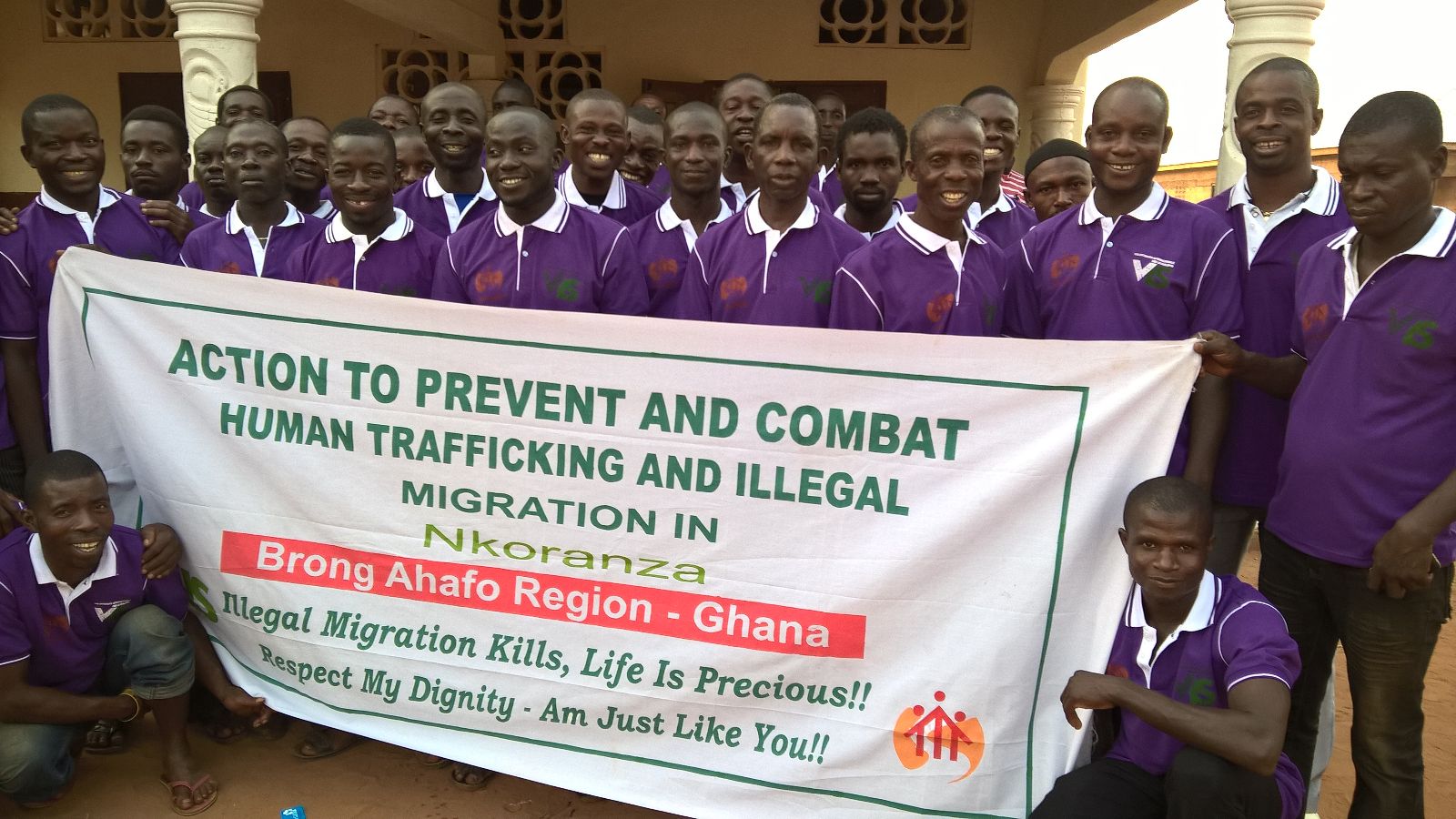
Despite the deaths of many Africans on the Sahara Desert on their way to Europe and repatriation of many Ghanaians back home, many youths from the Brong Ahafo Region are determined to embark on this perilous journey to Europe.
The International Organisation for Migration (IOM) estimates that 400,000 Africans risk their lives on the Sahara Desert annually which Ghanaian nationals are no exception.
Poverty, unemployment and enticement from Libyan returnees in the past, have been partly blamed as others are encouraged to embark on the trip in such of greener pastures.
As of March 2018, 62,422 Ghanaians were identified in different cities and detention centres in Libya according to the International Organisation for Migration Displacement Tracking Matrix. This places Ghana first among other African nationals, who find themselves in Libya.
The Brong Ahafo Region tops in the number of Libya returnees. These returnees are mostly from Sampa, Dormaa- Ahenkro, Berekum, Techiman , Wenchi and Nkoransa.
Between January and October 2017, a total of 3,669 Ghanaians returned from Libya. The breakdown is 1, 426 Brong Ahafo, 406 Greater Accra, 536 Ashanti, 129 Central and 164 Western. The rest are 155 Volta, 151 Upper West, 224 Upper East, 298 Northern and 180 Eastern. In 2011, there were 1,065 returnees; Brong Ahafo, 489, representing 46%. Also in 2012: national figure was 1,196; Brong Ahafo, 503, representing 42%; and 2013: national figure was 3,080; Brong Ahafo, 941, representing 31%.
During an interaction with some of the returnees, it was established that majority of them were illiterates and were not engaged in meaningful jobs in Ghana, and this pushed them to travel.
James Oppong Boateng, a Libya returnee and a native of Nkoransa in the Brong Ahafo Region recounted his journey to Libya and the amount he had to pay on the way. He revealed he was not doing any work and had to follow his friends to Libya.
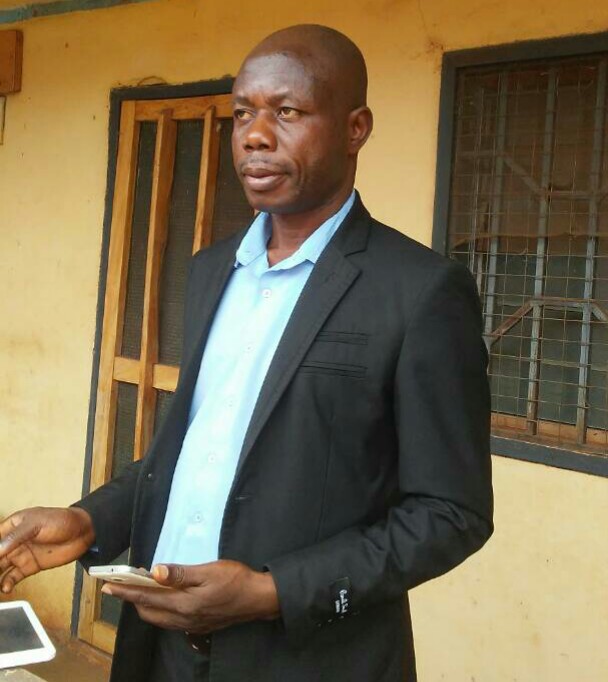
Boateng’s journey started from Nkoransa to Bawku and then to Burkina Faso. Before he got to Agadez in Niger, he had spent GH3,000 cedis. This was not enough so he had to ask his family to send him GH 2,000 cedis to complete his journey. He was arrested with other Ghanaians and other African nationals in Libya, they were detained for six months, maltreated before repatriated being to Ghana.
Boateng revealed that immigration officials and other security officials in Burkina Faso and Niger have no regard for the ECOWAS protocol, as he paid money at every check point.
“Many were stranded at Drokuo in Niger because they have exhausted all their money and they are unable to enter Libya. Many youths in the Brong Ahafo Region would continue to embark on irregular migration if job opportunities are not created for them,” Boateng revealed.
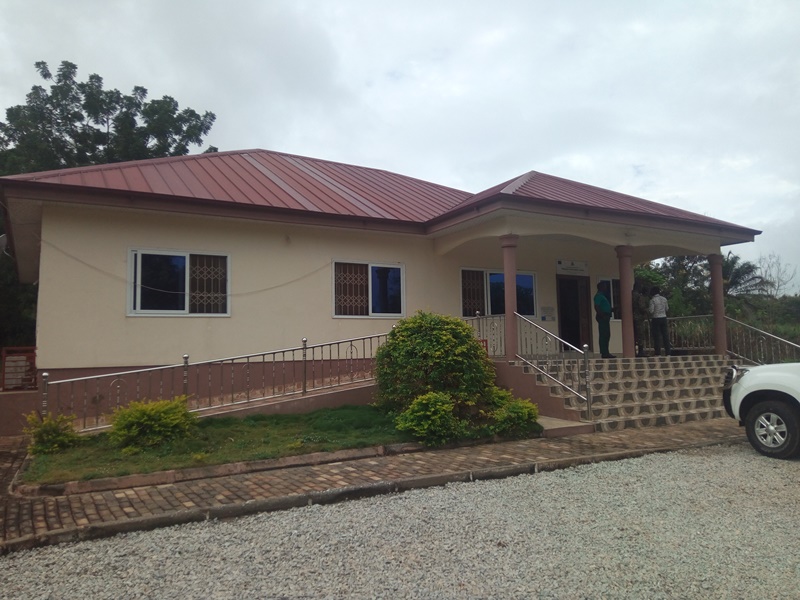
The European Union in its quest to stem the irregular migration of the youth from the Brong Ahafo Region built the first ever Migration Information Centre in Ghana at Sunyani to educate migrants to travel in a legal and safe way.
The Centre is being handled by the Ghana Immigration Service under the Ghana Integrated Migration Management Approach (GIMMA) project.
The Officer In-Charge of the Migration Information Centre, Chief Superintendent James Hayford Boadi in an interview with Citi News said his outfit is chalking some successes though some youths are still embarking on the dangerous journey through the Sahara Desert.
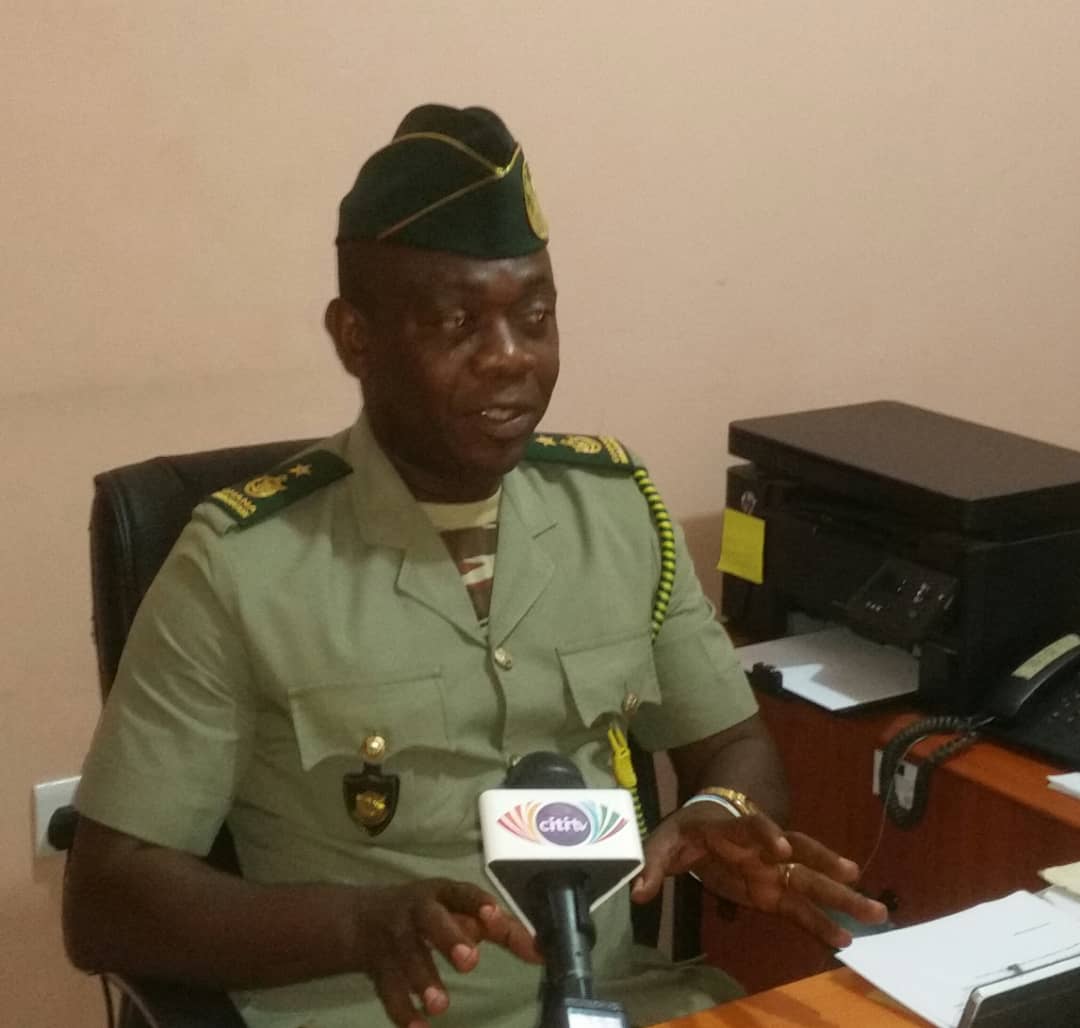
“Some of the youth are moving out of the Brong Ahafo Region and heading towards Europe through the Sahara Desert despite our education. Since the establishment of this centre, 3,731 people have patronized our services. We have also been to 75 communities to educate them on the negatives of irregular migration,” Chief Superintendent Boadi revealed.
Dr. Tony Luka Elumelu, Head of ECOWAS Division on Free Movement and Migration, has admonished Member States to ensure proper implementation of laws that upholds the rights of migrants.
He said Ghana’s national identity card which can be used across the region and other policies like the 24 hour opening of the country’s border with Togo were commendable steps being taken by government to foster free movement among community citizens.
–
By: Michael Sarpong Mfum/citinewsroom.com/Ghana