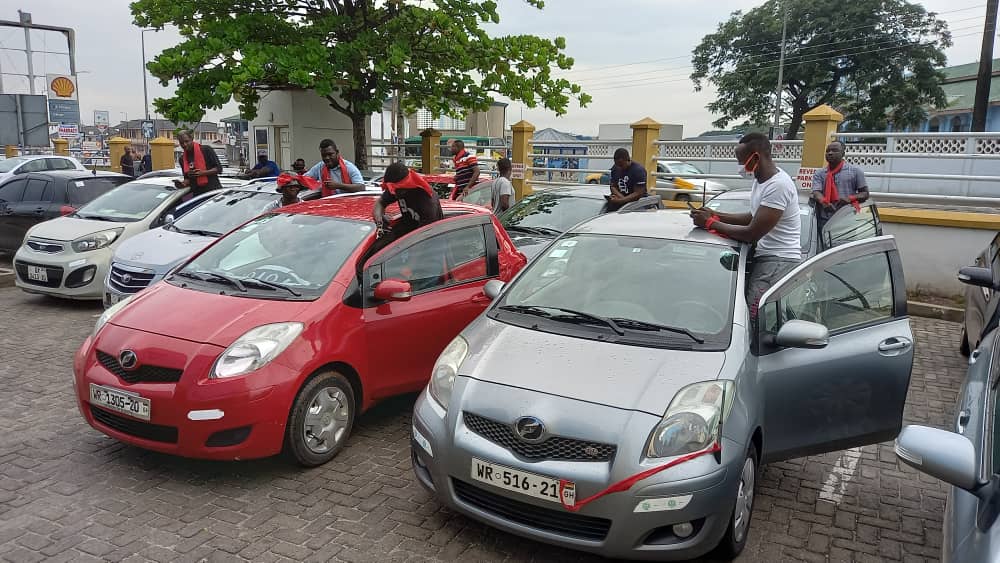
A joint report by the University of Ghana Business School and the University of Oxford says ride-hailing drivers and delivery workers have been at the mercy of Ghana’s unbridled rise in inflation.
The report says drivers and delivery workers on the various online “platforms struggle to make ends meet as they struggle with everyday expenses and work longer hours to maintain a decent standard of life.”
It also revealed that many of these workers have to switch between two or three platforms to work extra hours to be able to pay for their everyday expenses, as well as to put food on the table for their families and provide a roof over their heads.
The report which is a second of its kind by the Fairwork Ghana Project evaluated 10 platforms including; The Black Ride, Glovo, Swift-Wheels, Bolt, Uber, Jumia Food, Bolt Food, InDriver, Feenix, and Yango, and scored Ghana between zero and five (out of ten).
The Black Ride and Glovo top the list of platforms studied this year, with five points each. The rest of the platforms comprising Bolt, Uber, Jumia Food, Bolt Food, InDriver, Feenix received zero points, meaning they could not prove they meet any minimum standards of fair work, such as ensuring all workers earn above the national minimum wage.
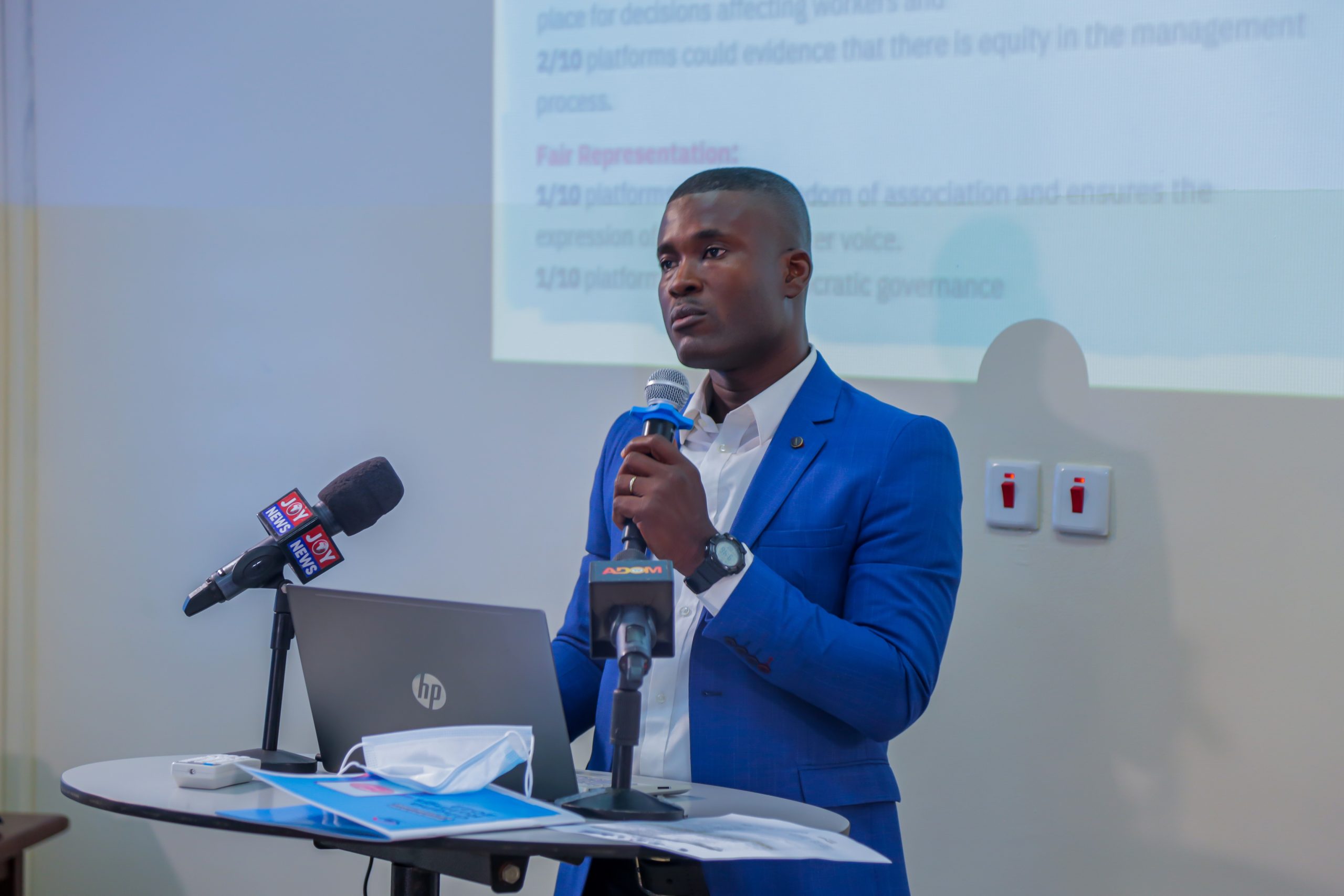
Lead researcher for the Project, Dr. Joseph Budu said: “last year we released the first report, and this year we are releasing another because we want to continue to draw the attention of all relevant stakeholders, including consumers, to the issues confronting platform workers in Ghana. There is no doubt, the sector is creating jobs for many of the unemployed youth. However, the working conditions are not favourable and sustainable based on our evaluations.”
“This is why we continue to highlight the issues young men and women are experiencing and probe platforms on their working conditions. The major problem is that there is no regulation of the platform workspace, so we are calling on the Government to institute effective regulations that hold platforms to account.”
“The government needs to reform the Labour law to recognize platform workers. At the moment, they’re not considered employees by the platforms they work for. We at Fairwork believe strongly that the plight of workers will improve if the government recognizes them as employees because platform workers will benefit from social protections, safety nets, and the ability to collectively bargain and contribute to the decisions affecting their everyday labour.”
Some of the key findings of the report include;
- Fair Pay – There was insufficient evidence that workers on all of the ten platforms earned the minimum wage after accounting for costs (GHs13.53/day). There was insufficient evidence that workers on any of the ten platforms earned the living wage rate after accounting for costs (GHs 39.1/day). In other words, we were unable to evidence that workers on any of the ten platforms earned enough to meet the standard of decent living. This highlights the need for regulation and worker consultation on matters of pay
- Fair Conditions – One of the ten platforms, Glovo, was able to evidence that they took various actions to protect workers from risks that arise on the job. We could not evidence that any of the ten platforms provided safety nets for workers.
- Fair Contracts – Both The Black Ride and Glovo could provide evidence that their terms and conditions are clear and transparent, and subject to Ghanaian law. However, we also found evidence of extensive subcontracting arrangements whereby platforms engaged intermediary subcontractors who, in turn, engaged workers. Workers were often unclear about who was responsible for their working conditions and the payment of wages. Only one platform, Glovo, could evidence that they do not unreasonably exclude liability on the part of the platform and that the contract does not contain clauses that prevent workers from seeking redress for grievances.
- Fair management – Only two of the ten platforms (Glovo and The Black Ride) were able to evidence the provision of due process for decisions affecting workers. These platforms demonstrated effective communication channels and appeals processes in instances where workers have been deactivated from the platform. The Black Ride and Glovo were also awarded an additional point for issuing public anti-discrimination policies and measures that help promote equality for disadvantaged groups such as women.
- Fair Representation – Only The Black Ride provided evidence that they ensure freedom of association and collective worker voice, and also that they have formally and publicly recognized an independent collective body of workers by signing an MOU with various associations.
The Project also commissioned the Fairwork Pledge which aims to encourage other organizations, such as universities, companies, and investors, to announce their public support for decent working conditions in the platform economy, guided by the five principles of Fairwork.