• About Us
  • Privacy Policy
  • Terms of Use
  • Breaking News
  • Explainers
  • Listen Live
Sunday, July 12, 2026
Citinewsroom - Comprehensive News in Ghana
Advertisement
  • Home
  • News
    • Regional News
      • Ahafo Region
      • Ashanti Region
      • Bono East Region
      • Bono Region
      • Central Region
      • Eastern Region
      • Greater Accra Region
      • Northern Region
      • North East Region
      • Oti Region
      • Savanna Region
      • Upper East Region
      • Upper West Region
      • Volta Region
      • Western Region
      • Western North Region
  • Sports
    • World Cup
  • Politics
  • Business
  • Entertainment
  • Articles
  • Explainers
  • Editorials
No Result
View All Result
Citinewsroom - Comprehensive News in Ghana
  • Home
  • News
    • Regional News
      • Ahafo Region
      • Ashanti Region
      • Bono East Region
      • Bono Region
      • Central Region
      • Eastern Region
      • Greater Accra Region
      • Northern Region
      • North East Region
      • Oti Region
      • Savanna Region
      • Upper East Region
      • Upper West Region
      • Volta Region
      • Western Region
      • Western North Region
  • Sports
    • World Cup
  • Politics
  • Business
  • Entertainment
  • Articles
  • Explainers
  • Editorials
No Result
View All Result
Citinewsroom - Comprehensive News in Ghana
No Result
View All Result

Why are South Koreans suddenly younger? New age system explained

Kobina WelsingbyKobina Welsing
June 29, 2023
Reading Time: 2 mins read
ShareShareShareShare

South Koreans woke up a year or two younger after the government changed the East Asian nation’s traditional age-counting system.

Why are South Koreans younger?

A law passed in December that scrapped the “Korean” method of counting someone’s age came into effect on Wednesday.

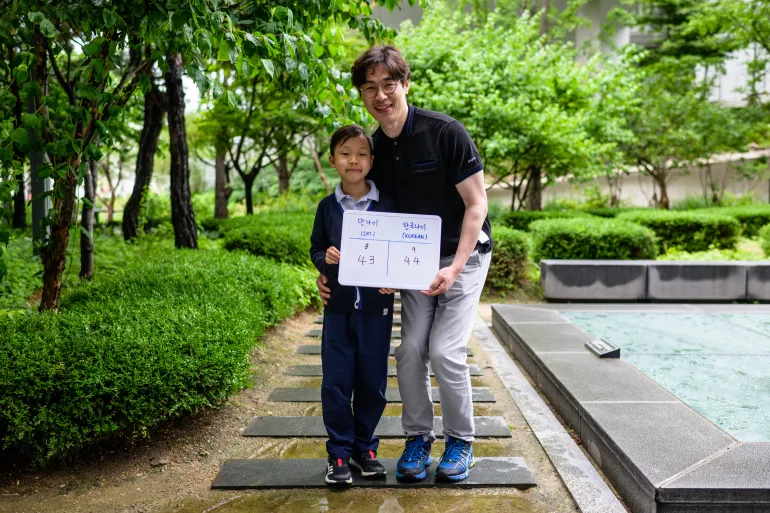
Under the “Korean age” system, babies are considered to be one year old on the day they are born, and every January 1, a year is added to people’s ages – regardless of their actual birthdate. For example, a baby born on New Year’s Eve becomes two years old the next day.

There is a second counting method – a mix of the international and Korean age systems – in which a baby is born at zero years, and one year is added every January 1.

So if a woman was born in August 2003, she would be 19 years old under the international system, 20 using the mixed method and 21 under the Korean system.

Is this a radical change?

Under the new law, the country will use the international system that calculates age according to a person’s actual date of birth, meaning everyone will officially become a year or two younger.

But in reality, the change will have limited impact.

Many legal and administrative functions – including ages listed on passports, the age at which one can be prosecuted as a juvenile, and those to qualify for retirement benefits and healthcare services – already use actual dates of birth rather than the Korean system.

Other key areas such as school year eligibility, compulsory military service, and legal drinking and smoking are based on the mixed counting method and will remain in place for now, Minister of Government Legislation Lee Wan-kyu told a news briefing on Monday.

So why make the change?

The move might ease confusion in society, for example, over the issue of older Koreans who may believe they are eligible for pensions and free travel benefits before they are legally entitled.

“It’s tremendously confusing for many people; some people think of how old they are in terms of the Western way of counting, others do according to the Korean way of counting, and there is in fact more than one way of doing it the Korean way so to speak,” Se-Woong Koo, a South Korean journalist, told Al Jazeera.

“Some people think your age increases with the Lunar New Year, not with the Solar New Year. Some people wonder if their birthday has anything to do with it.

Is this society changing?

According to analysts, the impact might become more evident in how South Koreans think about their relationships.

“In South Korea, it’s very common for someone to assert superiority in a social hierarchy according to their age. The older you are, the more respected you are,” Koo said.

“When you ask people their age, the answer Koreans usually give is their year of birth, and what the new system now means is that people have to be quite precise in saying exactly how old they are, and this will certainly lead to a renegotiation of the dynamic in the social sphere.”

One of the aims behind the change is to ensure that everyone in a specific school year is considered the same age and, therefore, can speak to each other without using honorifics.

“Age really matters” in South Korean culture, said anthropologist Mo Hyun-joo, because it affects one’s relative social status and dictates which titles and honorifics one must use for others.

“It’s hard to communicate with people without knowing their age,” she added.

ShareTweetSendSend
Previous Post

Take the art of public speaking seriously – Court of Appeal Judge urges students

Next Post

Bank of Ghana’s operational mechanism ‘very pleasing’ – Prof. Aryeetey

Related Posts

Featured

Mahama directs Zoomlion to open transfer stations to ease waste disposal

July 12, 2026
Dennis Miracles Aboagye, Aide to the New Patriotic Party’s flagbearer, Dr Mahamudu Bawumia
Featured

EOCO reportedly arrests Miracles Aboagye

July 12, 2026
Showbiz

Channel One TV’s Victoria Delali Dogbe lands BSIFF 2026 jury role

July 12, 2026
Participants at the inaugural ceremony of the Justice Clubs at Oyoko Methodist Senior High School.
Eastern Region

Chief Justice expands legal literacy drive to Eastern Region SHSs

July 12, 2026
Professor Eric Kwasi Ofori
Featured

GCU Vice-Chancellor calls for increased gov’t support for private universities

July 12, 2026
Featured

Western Region: CoST report reveals transparency gaps in 14 MMDAs

July 12, 2026
Next Post

Bank of Ghana’s operational mechanism ‘very pleasing’ – Prof. Aryeetey

ADVERTISEMENT
Citinewsroom - Comprehensive News in Ghana

CitiNewsroom.com is Ghana's leading news website that delivers high quality innovative, alternative news that challenges the status quo.

Archives

Download App

Download

Download

  • About Us
  • Privacy Policy
  • Terms of Use
  • Breaking News
  • Explainers
  • Listen Live

© 2024 All Rights Reserved Citi Newsroom.

No Result
View All Result
  • Home
  • News
    • Regional News
      • Ahafo Region
      • Ashanti Region
      • Bono East Region
      • Bono Region
      • Central Region
      • Eastern Region
      • Greater Accra Region
      • Northern Region
      • North East Region
      • Oti Region
      • Savanna Region
      • Upper East Region
      • Upper West Region
      • Volta Region
      • Western Region
      • Western North Region
  • Sports
    • World Cup
  • Politics
  • Business
  • Entertainment
  • Articles
  • Explainers
  • Editorials

© 2024 All Rights Reserved Citi Newsroom.