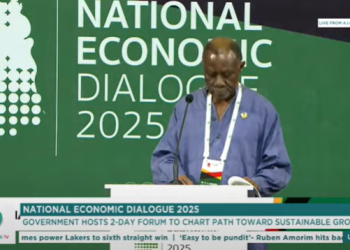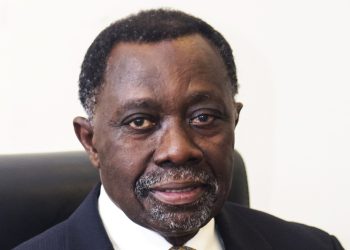

Dr. K. Y. Amoako, founder of the African Center for Economic Transformation (ACET), has stated that Ghana has lost its footing in economic transformation. Speaking at the Ghana Compact Citizens Convention at the University of Ghana, he emphasized that while the country has experienced periods of economic growth, this has not translated into improved livelihoods for its citizens.
The Citizens’ Convention is part of the Ghana Compact process, an initiative aimed at fostering dialogue among stakeholders to create a vision for Ghana’s political and economic future.
The primary objective of the convention is to finalize a ‘Social Contract’—an agreement between Ghana’s leaders and citizens outlining collective aspirations and goals up to 2050.
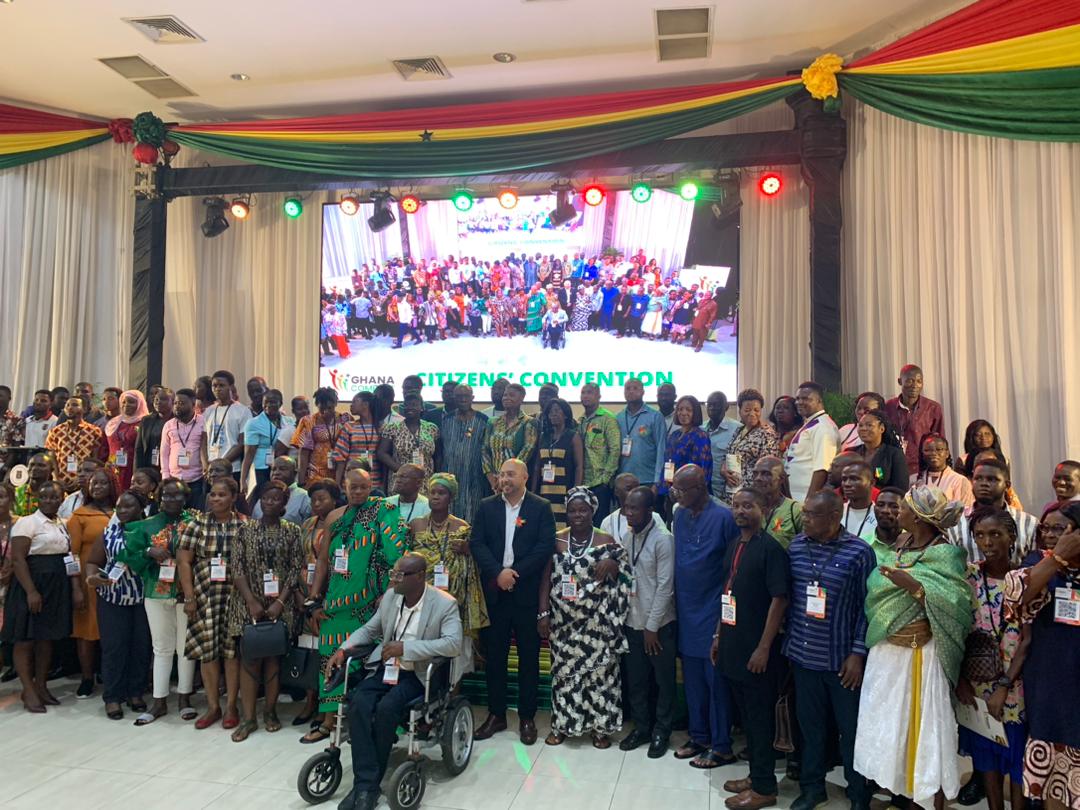
This contract define the responsibilities and commitments of both ordinary citizens and the country’s leadership to ensure these goals are achieved.
In his address, Dr. Amoako highlighted that despite some growth in the economic sector, Ghana’s economy remains vulnerable to crises.
“Over the past two decades, Ghana has lost ground on economic transformation,” he stated. “We have had periods of strong GDP growth, but this did not translate into better lives for ordinary citizens. Every time a crisis hits, we are back to square one.”
Dr. Amoako cited the African Transformation Index (ATI), produced by ACET, which measures and tracks progress on economic transformation at the country level.
“The latest index showed that Ghana scored just 19.1 out of a possible 100, placing it well below the continental average of 30.3. “The ATI exposed how Ghana has backtracked on product diversification and export competitiveness, cancelling out progress in other parts of the economy. We are not transforming, and we are not improving lives with the current system,” he added.
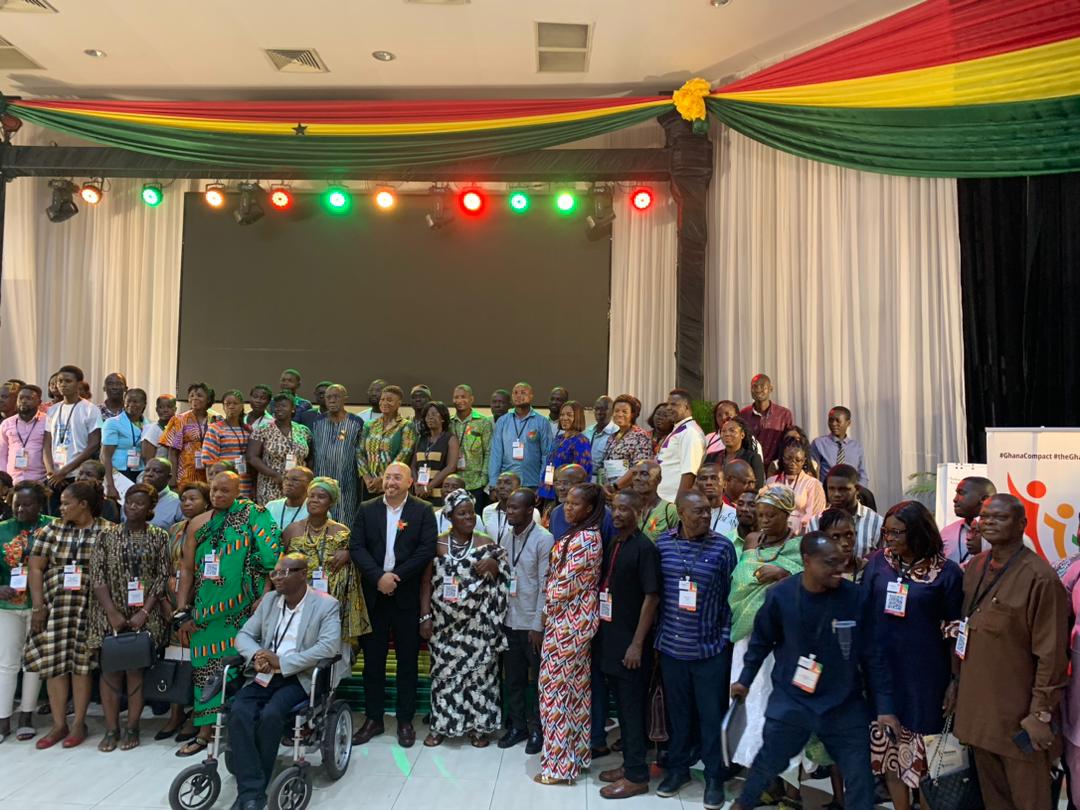
Underscoring the need for the Ghana Compact, Dr. Amoako called for bold, inclusive measures to tackle the country’s challenges. He pointed out that after nearly 70 years of independence, Ghana continues to struggle with issues such as political polarization, youth unemployment, policy inconsistency, and the inability to leverage natural resources for development.
General Secretary of the Trade Union Congress, Yaw Baah, emphasized that the compact will serve as a reference for electing leaders to ensure accountability.
Director-General of the National Development Planning Commission, Kodjo Mensah Abrampah, announced plans to restructure the commission to better fulfill its functions and receive citizen feedback.
Kathleen Addy, Chairperson of the National Commission for Civic Education (NCCE), noted that the Ghana Compact has enhanced citizen engagement across all 16 regions. “The compact is progressive and ensures that citizen inputs are factored into national development policy planning,” she said. She stressed the need for leaders to commit to implementing the provisions in the document.
On the second day of the convention, Yawa Hansen-Quao called on the government to integrate funding for the social contract into the budget. The compact aims to guide political parties in drafting their manifestoes for the 2024 elections.
The two-day Citizens Convention, which began on June 18, 2024, brought together stakeholders from politics, academia, civil society organizations, and development partners. Notable attendees included Hackman Owusu Agyeman from the New Patriotic Party (NPP), Kojo Oppong-Nkrumah, Dr. Emmanuel Marfo, Prof. Danso Boafo from the National Democratic Congress (NDC), Afi Agbenyo, and Nana Ohene Ntow from the Movement for Change.