The seizure of Goma by M23 rebels has intensified the already fragile security situation in eastern Democratic Republic of Congo (DRC), with regional dynamics now under international scrutiny. While many observers blame the resurgence of M23 on foreign interference, Rwanda has pushed back, urging the global community to consider the deeper complexities of the conflict and avoid “misguided or manipulative statements.”
In a statement issued this week, Rwanda emphasized its commitment to peace but also voiced concerns about what it sees as the failure of the DRC government to address the underlying causes of the crisis. Kigali maintains that the M23, a Congolese rebel group, represents grievances of the marginalized Congolese Tutsi community and has rejected accusations that it is supporting the group.
The Role of Regional and External Forces
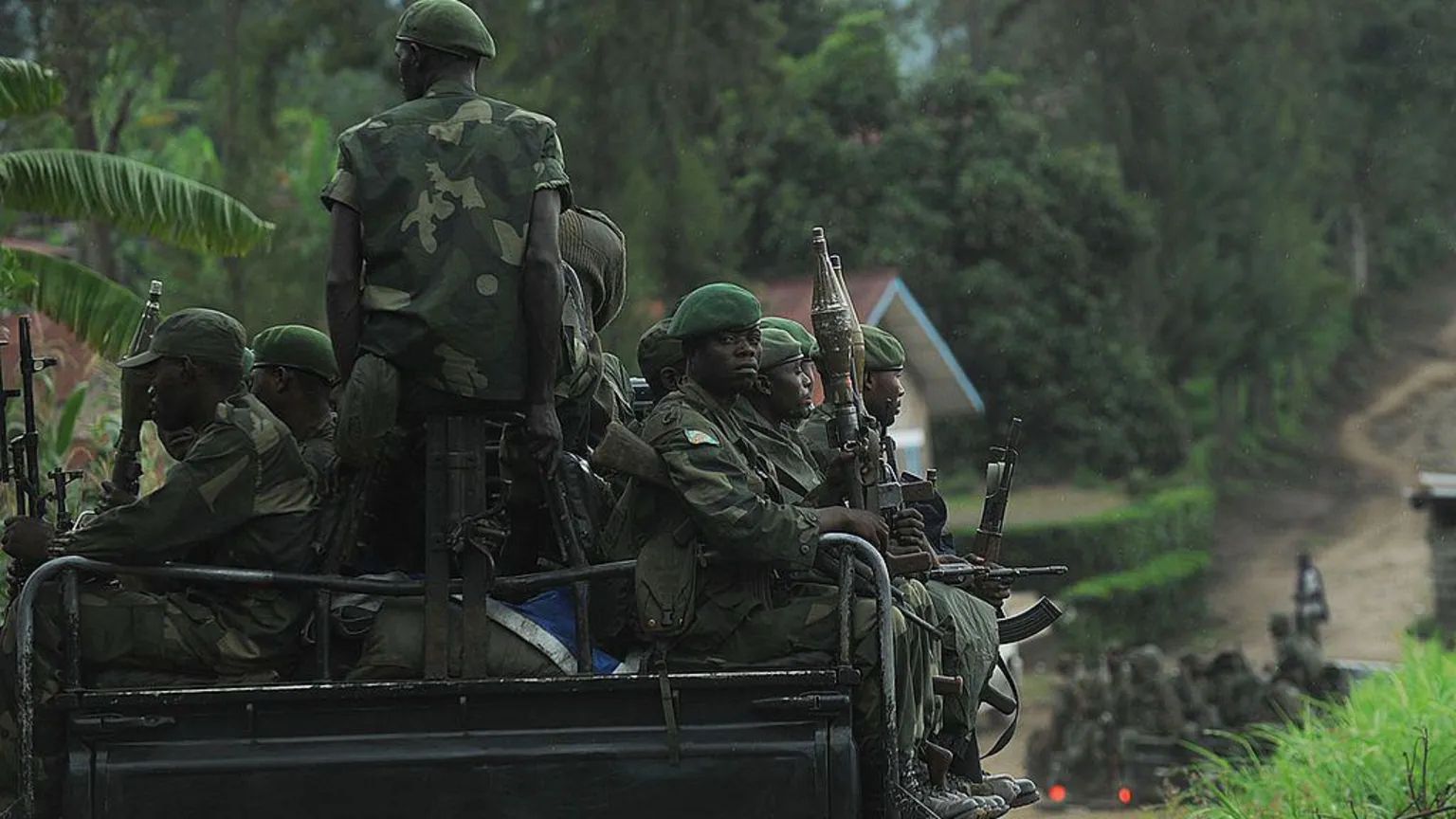
Rwanda’s statement painted a troubling picture of the alliances within the DRC conflict, accusing the Congolese Armed Forces (FARDC) of partnering with UN-sanctioned genocidal militia FDLR, European mercenaries, ethnic militias like the Wazalendo, and even foreign militaries, such as Burundian forces. Kigali argued that these coalitions have repeatedly violated ceasefire agreements, triggering renewed fighting near the Rwandan border.
“The ongoing violence near Goma continues to present a serious threat to Rwanda’s security and territorial integrity,” Rwanda’s statement read, citing concerns about cross-border instability.
Reports from the United Nations further complicate the narrative. A UN investigation previously linked the late Maj. Gen. Peter Cirimwami, the former military governor of North Kivu, to collaborations with the FDLR. These ties, Rwanda argues, have undermined efforts to stabilize the region and neutralize armed groups.
However, the DRC government and several international actors insist that Rwanda’s influence has enabled M23’s rapid territorial gains. Kinshasa has consistently accused Kigali of supplying arms and fighters to the rebels—allegations Rwanda firmly denies.
The M23 Resurgence and Breakdown of Peace Processes
The resurgence of M23 in late 2021 has reignited longstanding tensions between Rwanda and the DRC. Kigali insists that scapegoating Rwanda oversimplifies the situation, arguing that the DRC government’s refusal to engage in dialogue with M23 is a key driver of the current crisis.
“The Luanda and Nairobi processes were established to resolve these tensions, but they cannot succeed if they are not pursued in good faith by all parties,” Rwanda said, calling for renewed efforts to implement these agreements.
At the same time, critics of Rwanda have questioned its commitment to regional peace, citing allegations of past support for M23. The United Nations has also noted concerns about regional actors exacerbating the crisis, though Rwanda has called for evidence-based claims rather than speculative accusations.
Humanitarian Toll and Regional Stability
The fighting in Goma has displaced thousands, with the humanitarian crisis spreading across eastern DRC. Neighboring countries, including Rwanda, have expressed alarm at the spillover effects, ranging from refugee flows to heightened insecurity along borders.
The DRC government has described M23 as a proxy force for Rwandan interests, but Kigali insists that M23’s grievances stem from local issues in eastern DRC, including ethnic marginalization and unfulfilled promises of integration into the Congolese armed forces.
“Those who should be part of the solution must avoid becoming part of the problem,” Rwanda’s statement urged, calling for an inclusive, regionally driven resolution.
A Path Forward?
As tensions rise, the international community faces mounting pressure to address the conflict in a way that acknowledges the concerns of all stakeholders. While Rwanda’s defensive posture and critique of the DRC government highlight one dimension of the crisis, the allegations against Kigali cannot be ignored.
Experts warn that failure to engage both countries and address longstanding grievances risks perpetuating a cycle of violence in the Great Lakes region. With Goma now under rebel control, the stakes for achieving peace have never been higher.
The road ahead requires not just dialogue but a willingness by all parties—including regional leaders and international actors—to move beyond blame and work toward lasting solutions.