
• About Us
  • Privacy Policy
  • Terms of Use
  • Breaking News
  • Explainers
  • Listen Live
Sunday, June 28, 2026
Citinewsroom - Comprehensive News in Ghana
Advertisement
  • Home
  • News
    • Regional News
      • Ahafo Region
      • Ashanti Region
      • Bono East Region
      • Bono Region
      • Central Region
      • Eastern Region
      • Greater Accra Region
      • Northern Region
      • North East Region
      • Oti Region
      • Savanna Region
      • Upper East Region
      • Upper West Region
      • Volta Region
      • Western Region
      • Western North Region
  • Sports
    • World Cup
  • Politics
  • Business
  • Entertainment
  • Articles
  • Explainers
  • Editorials
No Result
View All Result
Citinewsroom - Comprehensive News in Ghana
  • Home
  • News
    • Regional News
      • Ahafo Region
      • Ashanti Region
      • Bono East Region
      • Bono Region
      • Central Region
      • Eastern Region
      • Greater Accra Region
      • Northern Region
      • North East Region
      • Oti Region
      • Savanna Region
      • Upper East Region
      • Upper West Region
      • Volta Region
      • Western Region
      • Western North Region
  • Sports
    • World Cup
  • Politics
  • Business
  • Entertainment
  • Articles
  • Explainers
  • Editorials
No Result
View All Result
Citinewsroom - Comprehensive News in Ghana
No Result
View All Result

Ghana’s informal sector holds 80% of jobs; contributes just 27% to GDP – GSS

byEmmanuel Oppong
February 25, 2025
Reading Time: 2 mins read
ShareShareShareShare

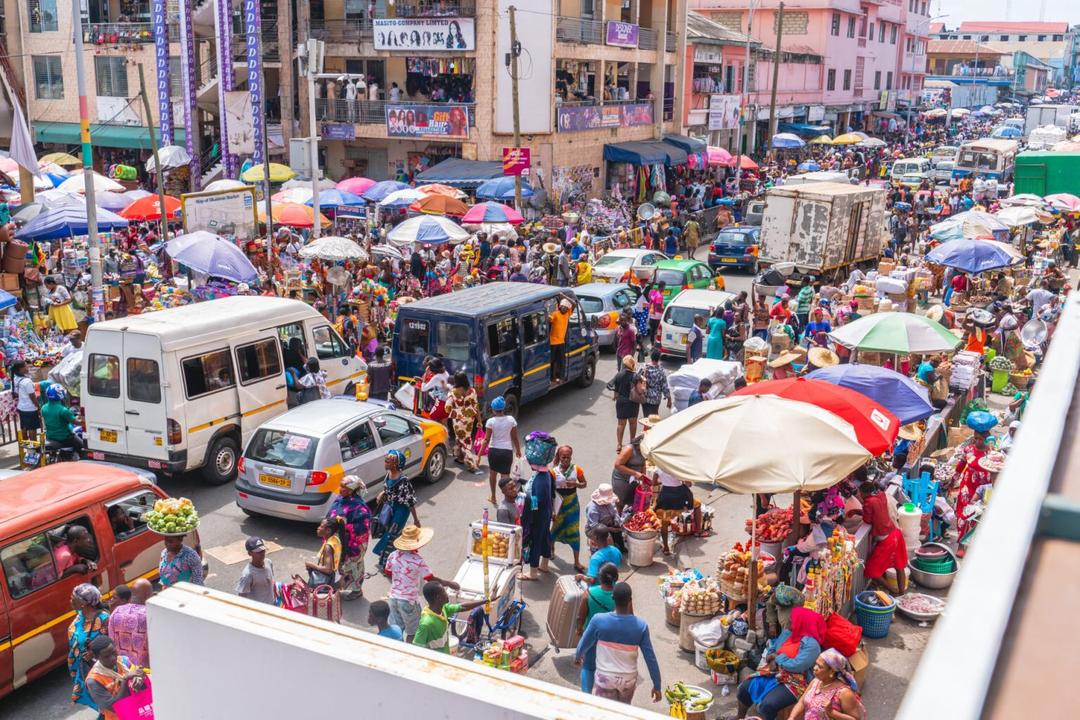
Ghana’s informal sector employs nearly 80% of the workforce but contributes only 27% of GDP, highlighting a major productivity gap, according to the first edition of the National Report on Productivity, Employment, and Growth, released by the Ghana Statistical Service (GSS).

The report warns that despite providing livelihoods for the majority of workers, the informal sector remains plagued by low productivity, underemployment, and stagnant wages, posing a significant challenge to economic growth.

According to the report, labour productivity grew by an average of 3.2% annually between 1991 and 2019, with key gains concentrated in capital-intensive sectors such as mining and finance.

The manufacturing sector recorded a 14% productivity increase between 2013 and 2022, yet employment grew by only 2.5% in the same period, reflecting slow industrial expansion.

Similarly, the mining sector saw high productivity growth but little job creation, highlighting Ghana’s reliance on industries that do not generate widespread employment opportunities.

The report also reveals a widening gap between productivity and wages. While sectors such as finance, insurance, and professional services have seen stronger wage growth, industries like household agriculture, trade, and repair services have recorded slow or stagnant wage increases despite productivity improvements.

A sectoral breakdown shows that commercial agriculture, transportation, utilities, and manufacturing are among the industries contributing to both job creation and productivity gains.

However, Ghana’s economic transformation remains slow, with many workers transitioning from traditional trades to low-productivity urban services, limiting overall economic benefits.

To address these challenges, the report calls for greater investment in industrialization, expansion of commercial agriculture, and policies to integrate informal businesses into the formal economy.

It also emphasizes the need for technology adoption, workforce upskilling, and targeted fiscal measures to boost productivity.

With Ghana at a crucial economic turning point, analysts warn that without bold policy reforms, the country risks deepening income inequality, slowing productivity growth, and failing to create sustainable jobs for its workforce.


Tags: Ghana NewsGhana Statisitcal ServiceheadlineInformal sector
ShareTweetSendSend
Previous Post

 Public funds won’t be used to recapitalize BoG – Thomas Ampem

Next Post

GSS Report: Labour productivity growth uneven across sectors

Related Posts

File image
Featured

GJA condemns alleged assault on Obaatanpa Radio Producer

June 28, 2026
Featured

2028 victory depends on conduct, not rhetoric – NPP’s Eric Taylor

June 28, 2026
Former MP for Dome-Kwabenya, Sarah Adowa Safo
Featured

Adwoa Safo petitions AG to transfer shooting case to High Court

June 28, 2026
Featured

Sales boy who stole GH¢353,471 from employer for ‘marriage’ convicted, fined

June 28, 2026
Featured

PSGH calls for 70% local production of medicines to boost health security

June 28, 2026
Ms Damilola Sobo Smith, Environmental and Social Risk Management Specialist at the International Finance Corporation  [middle]
General

Ghana leads West Africa in ESG regulation

June 28, 2026
Next Post

GSS Report: Labour productivity growth uneven across sectors

ADVERTISEMENT
Citinewsroom - Comprehensive News in Ghana

CitiNewsroom.com is Ghana's leading news website that delivers high quality innovative, alternative news that challenges the status quo.

Archives

Download App

Download

Download

  • About Us
  • Privacy Policy
  • Terms of Use
  • Breaking News
  • Explainers
  • Listen Live

© 2024 All Rights Reserved Citi Newsroom.

No Result
View All Result
  • Home
  • News
    • Regional News
      • Ahafo Region
      • Ashanti Region
      • Bono East Region
      • Bono Region
      • Central Region
      • Eastern Region
      • Greater Accra Region
      • Northern Region
      • North East Region
      • Oti Region
      • Savanna Region
      • Upper East Region
      • Upper West Region
      • Volta Region
      • Western Region
      • Western North Region
  • Sports
    • World Cup
  • Politics
  • Business
  • Entertainment
  • Articles
  • Explainers
  • Editorials

© 2024 All Rights Reserved Citi Newsroom.