Menstrual hygiene management remains a pressing issue in many schools across Ghana, with Walewale Senior High Technical School (WALSECTECH) in the North East Region emerging as a stark example of the challenges faced by adolescent girls.
With a student population of 2,013—comprising 1,074 boys and 939 girls—the school is nearing gender parity. However, authorities say the lack of basic water, sanitation, and hygiene (WASH) infrastructure has made life especially difficult for the female students, particularly during menstruation.
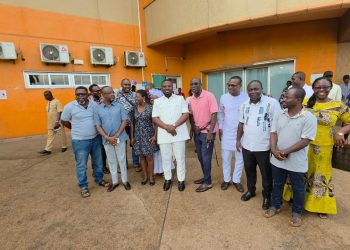
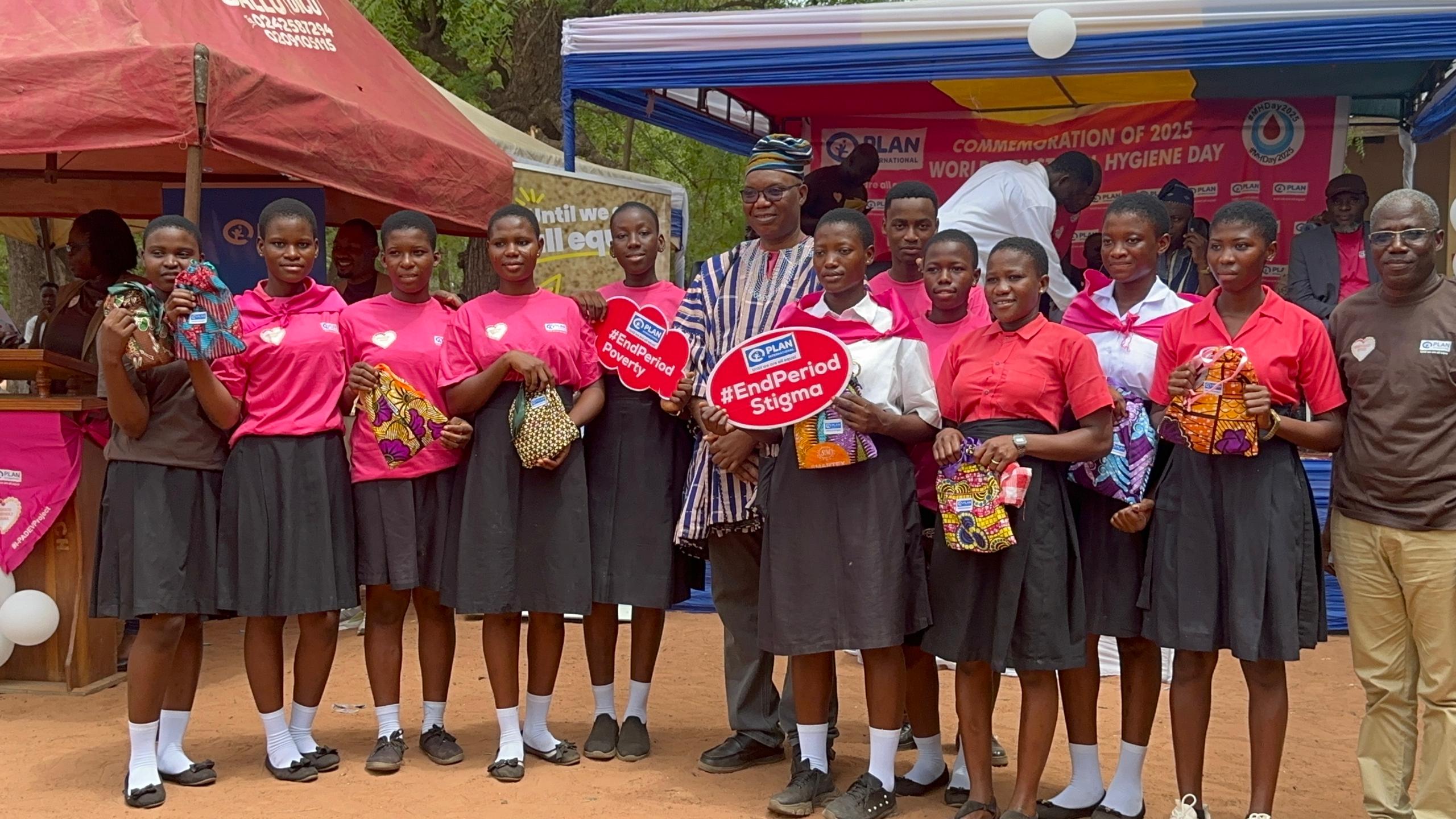
Speaking during the 2025 Menstrual Hygiene Day commemoration under the theme “Together for a Period-Friendly World,” on Saturday, May 31, the Headmaster of Walewale SHTS Reverent Ibrahim Sebiyam highlighted the daily ordeal of female students.
He noted that while menstruation is a natural biological process, many girls are left without access to sanitary products, changing rooms, or clean water, forcing them to engage in unhealthy behaviours as alternatives.
“Our girls are struggling because their toilet facilities are either in a deplorable state, dysfunctional due to inadequate water, or completely abandoned,” a representative stated. “Many are forced to engage in open defecation or indiscriminately dispose of used sanitary pads, which poses serious health risks,” he said.
The school currently depends on water supplied once a week by the Community Water and Sanitation Agency. That supply barely lasts two days, often forcing students to leave campus in search of water, disrupting academic work and sometimes leading to disciplinary issues.
The Headmaster of Walewale SHTS, Reverent Ibrahim Sebiyam, made an urgent appeal to Plan International Ghana for the construction of female-friendly KVIP toilet facilities, private changing rooms, and reliable water systems.
In his keynote address, Country Director of Plan International Ghana – Contant Tchona, acknowledged the severe WASH challenges in schools and reaffirmed the organisation’s commitment to menstrual equity.
“Available data shows that most schools in Ghana lack basic facilities for menstrual hygiene management—such as changing spaces, running water, disposal systems, and menstrual products,” she said. “This forces many girls into seclusion, restricts their movement, and even keeps them out of school. We cannot achieve equality if periods are treated as problems,” he added.
The Country Director commended the Government of Ghana for allocating ₵292.4 million in the 2025 budget to provide free sanitary pads to schoolgirls—an initiative that fulfils a campaign promise by President John Dramani Mahama and marks a major milestone in the fight against menstrual poverty.
Plan International Ghana has pledged its commitment to work towards providing a girl-friendly wash facility for students at the school in the coming months.
In a message to both the public and policymakers, the Country Director concluded by saying, “To our girls and women: your period is your power, not your shame. And to our boys and men: no period, no birth—no period, no men. Menstrual equity must be a priority in health, education, and national development.”
“Yesterday, we raised awareness,” she said. “Today, we raise our voices. Tomorrow, we change policies. Together, we will build a Ghana where menstruation is not a barrier—but a bridge to empowerment.”
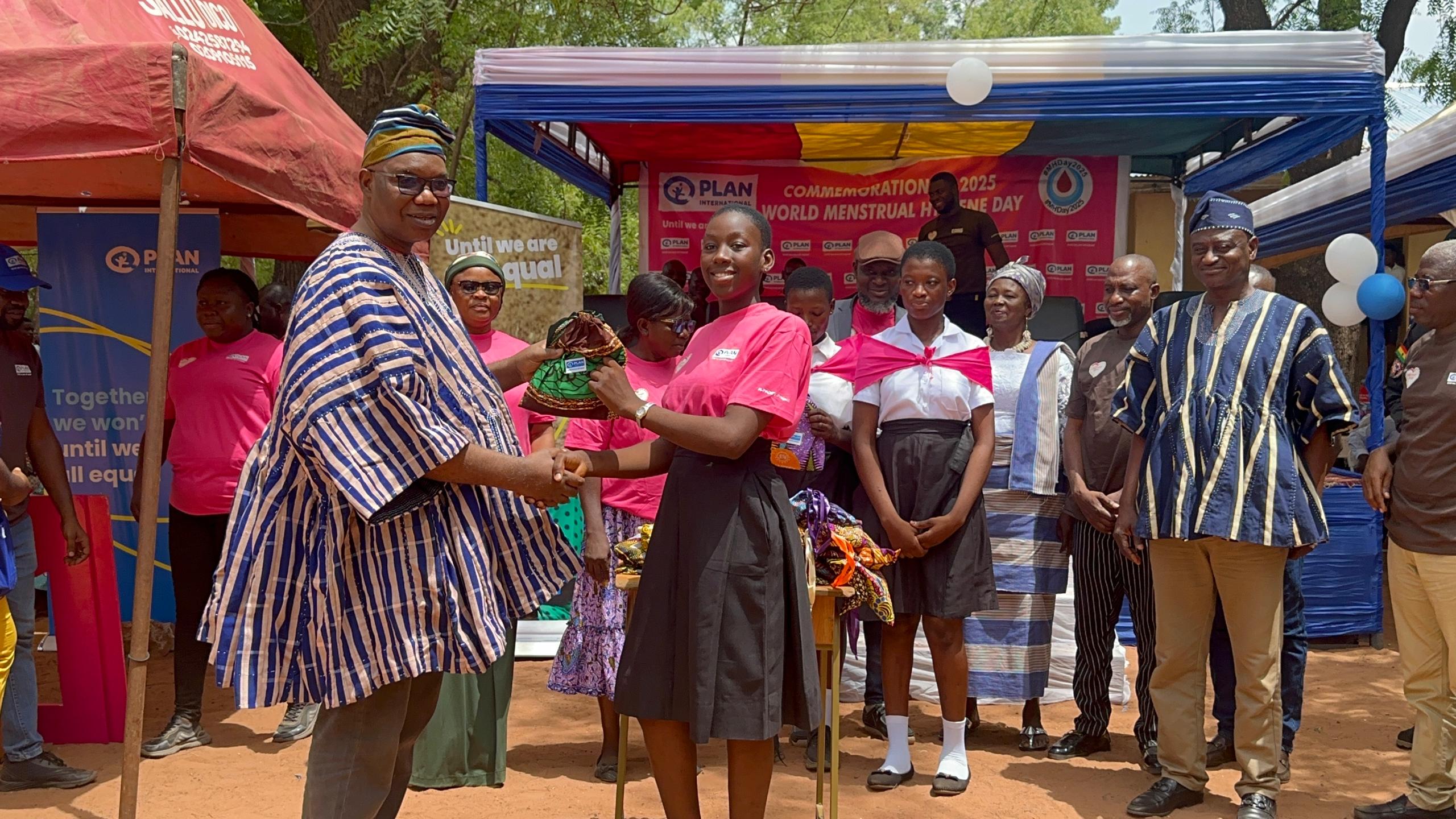
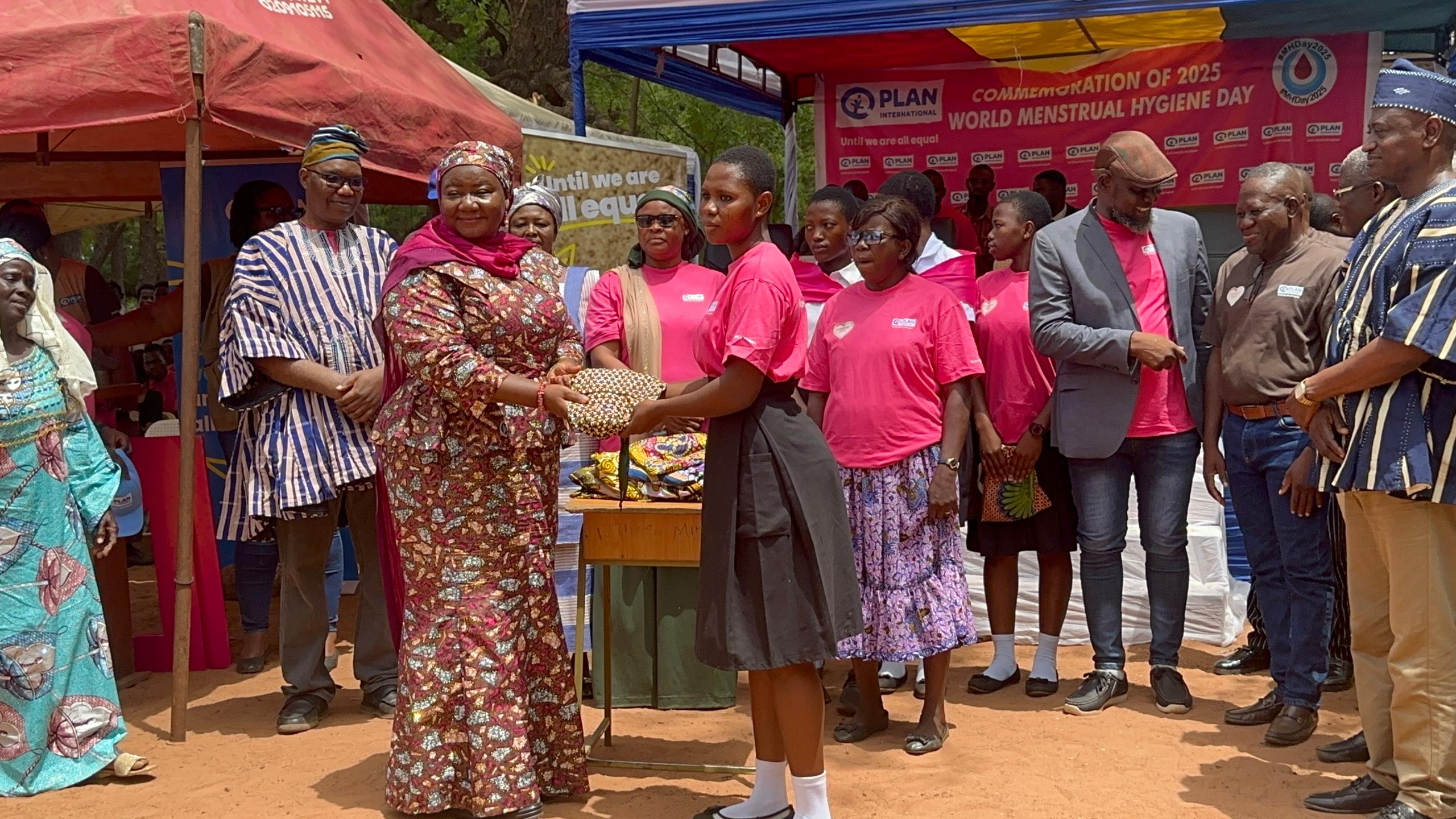
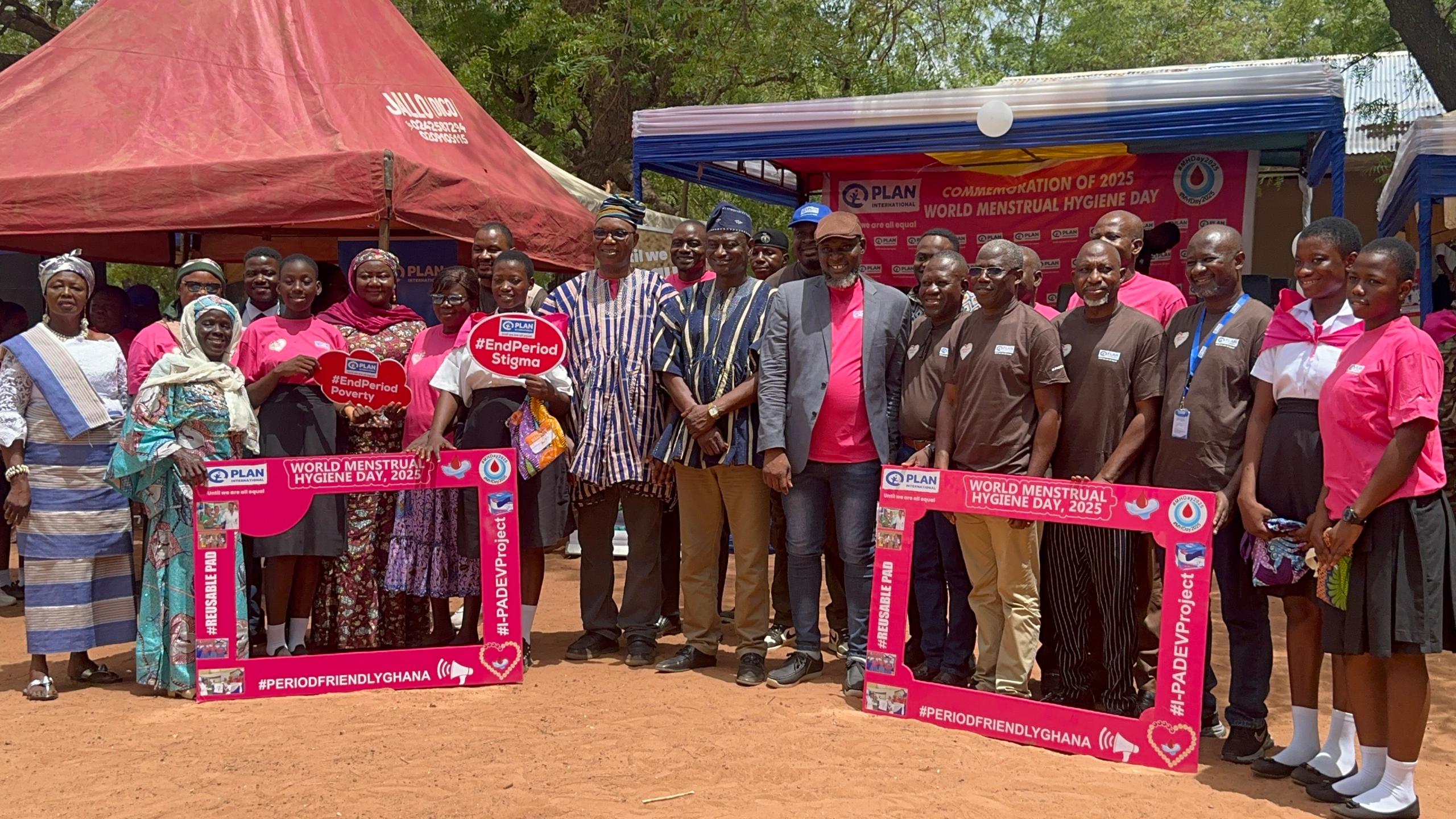
As part of the celebration, Plan International distributed thousands of reusable sanitary products to the students.
…..
Explore the world of impactful news with CitiNewsroom on WhatsApp!
Click on the link to join the Citi Newsroom channel for curated, meaningful stories tailored just for YOU:
https://whatsapp.com/channel/0029VaCYzPRAYlUPudDDe53x
No spam, just the stories that truly matter! #StayInformed #CitiNewsroom #CNRDigital