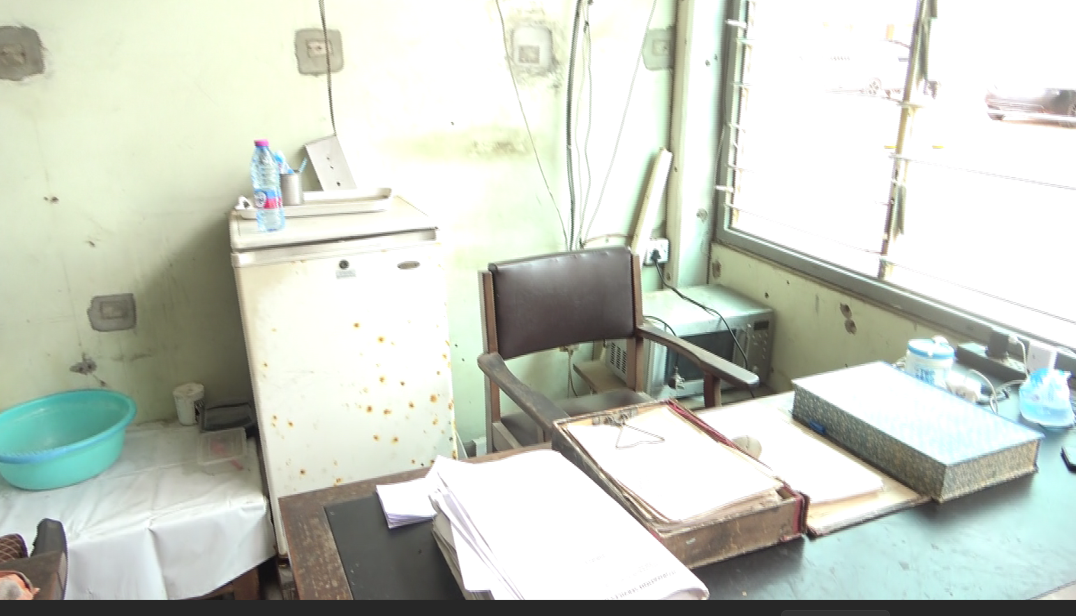
In the heart of Accra, the Information Services Department (ISD) stands in ruin — paint peeling, wires dangling, and records gathering dust. Once the beating heart of government communication and public education, the 80-year-old institution now struggles to keep pace, weighed down by aging infrastructure and tools long past their prime.
During a visit to the facility by the Communication and Information Committee of Parliament, management appealed for urgent intervention.
For decades, the ISD has been the trusted voice of government, disseminating policies, educating citizens, and chronicling the nation’s history. From town criers with megaphones to mobile cinema vans in rural Ghana, ISD has been at the heart of public communication.

But today, the institution that once stood as the proud mouthpiece of government is battling neglect. Its infrastructure, some dating back 80 years—tells a story of decay. Cracked walls, leaky roofs, and outdated equipment paint a gloomy picture of a department struggling to perform its mandate.
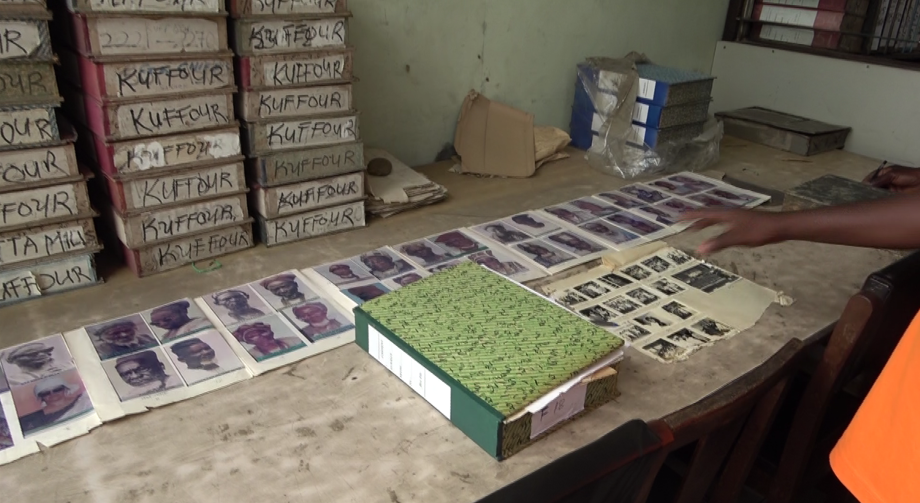
Perhaps the most worrying is the state of ISD’s Audiovisual Department. Behind its grimy shelves lie priceless records—rare images and documents capturing the journey of Ghana’s Heads of State, dating as far back as the pre-colonial era. Yet, these national treasures are fading away. Hard copy documents are brittle, photographs are peeling and at a risk of permanent damage.
Without urgent intervention, much of Ghana’s recorded history could be lost.
Beyond the archives, the daily operations of ISD face even grimmer challenges. Frequent power outages—caused by faulty wiring—sometimes spark fire outbreaks and cut internet connectivity, threatening both staff safety and service delivery.
With fewer than 30 vehicles across the entire country, officers struggle to carry out nationwide public education campaigns.
The ripple effect is clear: ISD’s declining infrastructure has crippled its internally generated funds, leaving the Department unable to meet even basic expenses. To stay afloat, management says it has resorted to seeking external support while awaiting government intervention.