Over the past few years, few issues have stirred as much public concern as illegal small-scale mining – “galamsey.” The environmental, health, and social costs are severe – rivers poisoned with mercury, forests razed, communities displaced, and people exposed to toxic substances that threaten their long-term health and livelihoods. Yet, the debate remains polarised: between those calling for an outright ban and those emphasising the economic realities that drive people into small-scale mining in the first place.
At this year’s Africa Mining Conference in South Africa, leaders from across the continent reflected on a reality that applies as much to Ghana as anywhere else: artisanal and small-scale mining (ASM) is not going away. It is deeply embedded in rural economies and supports millions of livelihoods across Africa. The challenge, then, is not whether it exists – but how it can be managed responsibly, safely, and sustainably.
In Ghana, artisanal and small-scale miners contribute an estimated one-third of total gold output, creating jobs for hundreds of thousands of people. Yet, the unregulated end of the sector – the galamsey operations – continues to erode the very economic and ecological base on which communities depend. The issue, therefore, is not artisanal mining itself, but the failure to regulate it effectively.
Recognising this, Ghana established the Gold Board (GoldBod) – an important step toward bringing greater coordination, transparency, and structure to the gold value chain. Its mandate to license, regulate, and support responsible small-scale mining signals a shift toward formal oversight of a sector long dominated by informality. But regulation alone is not the answer. For the Gold Board to make meaningful impact, it must work in tandem with other reforms – those that empower communities, simplify compliance, and realign incentives toward sustainability.
To turn small-scale mining from a national headache into a catalyst for inclusive growth, we must make five key shifts:
1. Shift from blanket criminalisation to differentiated enforcement and inclusive formalisation
Illegal mining cannot and should not be condoned. Yet, not all small-scale mining is unlawful – and not every miner outside the system is there by choice. Many operate informally because the path to compliance is cumbersome, costly, or unclear. The way forward is clear differentiation: enforce the law against willful violators, while making formalisation viable for those willing to do things right. This means simplifying licensing processes, decentralising registration offices, and providing technical support and incentives for compliance. When the law is both firm and fair, more people will choose to follow it.
2. Shift from extraction to community-centered development
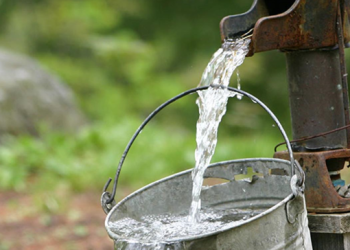
Mining must do more than take resources from the ground; it must build value above it. A portion of royalties from small-scale operations could directly support local development projects – clean water systems, schools, and livelihood diversification. When communities see tangible benefits, they become partners in responsible mining, not passive victims of its consequences.
3. Shift from manual, harmful methods to safer, mercury-free practices
Technology can bridge the gap between productivity and preservation. Introducing mercury-free gold processing, mechanised tools, and safety training can dramatically reduce environmental and health risks. Partnerships between government, the private sector, and mining cooperatives can accelerate adoption of cleaner technologies. Cleaner mining should not be a privilege – it should be the new norm.
4. Shift from opaque supply chains to transparent, traceable value flows
Transparency is not bureaucracy – it is trust. Digitising permit systems, tracking gold from pit to export, and publishing data on royalties and production volumes can close loopholes that enable smuggling and corruption. A transparent value chain protects legitimate miners, boosts government revenue, and strengthens Ghana’s credibility in the global gold market.
5. Shift from short-term enforcement to long-term coordination and institutional alignment
Sustainable reform requires alignment – across ministries, local assemblies, environmental agencies, and traditional authorities.
A single, integrated framework that coordinates regulation, environmental monitoring, and community engagement can reduce duplication and strengthen accountability. When institutions work together and local leaders are part of the oversight process, enforcement becomes more consistent and credible.
A Balanced Path Forward
Ghana’s gold economy can be both profitable and sustainable – but only if enforcement aligns with opportunity, and environmental protection goes hand in hand with economic inclusion. The goal should not be to shut the door on small-scale mining, but to open a structured, transparent, and responsible pathway for it.
Because, in the end, the question is not whether small-scale mining should exist — it already does. The real question is how we make it work – for people, for the planet, and for shared prosperity.
___________________________________________________________________________
Ebenezer Amankwah-Minkah is an economist and Executive Director of the Center for Economic Research and Policy Analysis (CERPA), a policy institute advancing Africa’s economic growth and sustainable development through evidence-based research, strategic insights, and bold policy dialogue shaping the continent’s economic future. Find out more about CERPA at www.cerpagh.com