The Korle Lagoon, nestled at the southern edge of Accra, is one of the city’s most defining natural landmarks.
Fed by the Odaw River, which snakes through the heart of the capital, the lagoon empties gently into the Gulf of Guinea, forming a natural connection between Accra’s inland ecosystem and the Atlantic Ocean.
Once a thriving water body teeming with aquatic life and serving as a buffer against floods, the Korle Lagoon was both a source of life and a scenic jewel that framed the city’s coastline.
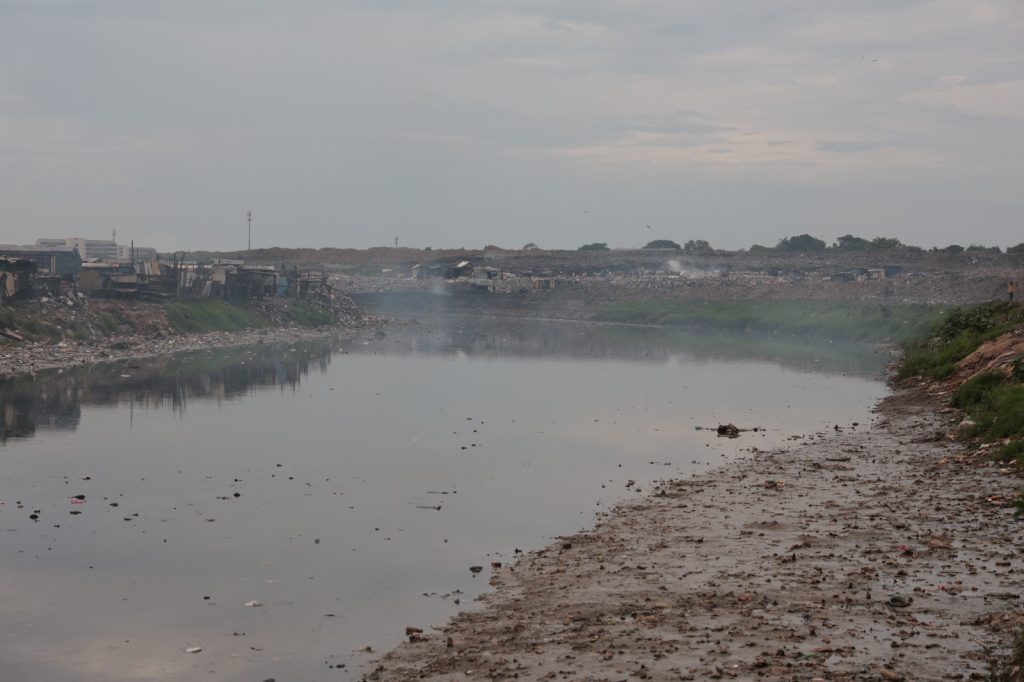
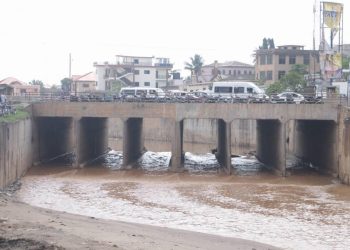
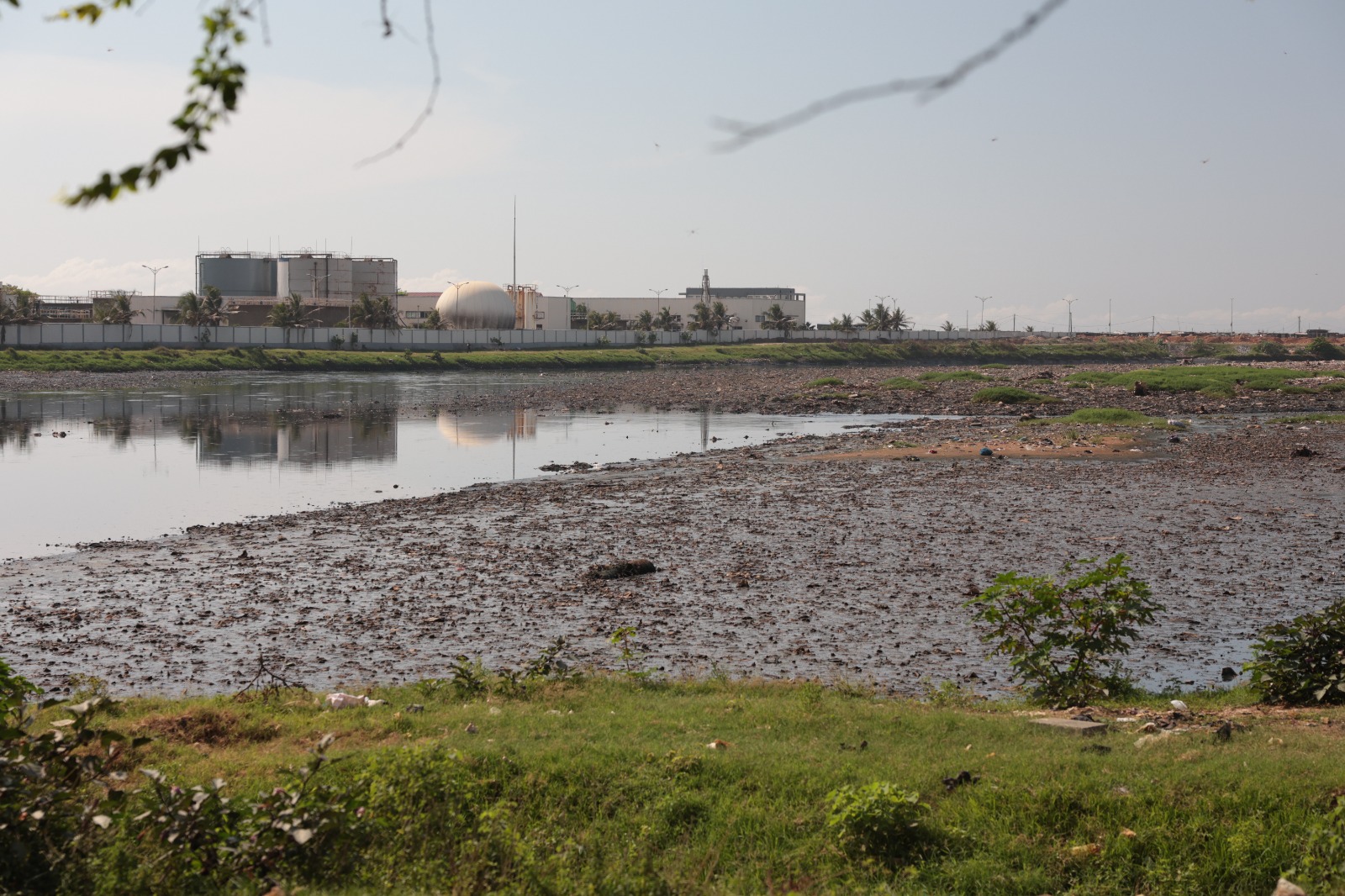
Over the years, however, urbanisation and waste mismanagement have turned this once-beautiful lagoon into one of the most polluted water bodies in West Africa. The rapid growth of Accra, coupled with poor drainage systems, indiscriminate dumping of solid waste, and encroachment along its banks, has choked the lagoon’s natural flow.
This encroachment and mismanagement are most acutely felt along its main feeder, the Odaw River. The banks of the Odaw have become a zone of intense, informal human activity that directly contributes to the lagoon’s degradation.
Stretches of the river are lined with slum dwellings, where a lack of basic sanitation facilities leads to the widespread practice of open defecation, introducing harmful pathogens directly into the watercourse. Nearby, informal vehicle repair shops and vulcanising operations often discharge used engine oil, grease, and other chemical pollutants into the river. The practice of cattle rearing along the banks adds organic waste and further contributes to the pollution load.
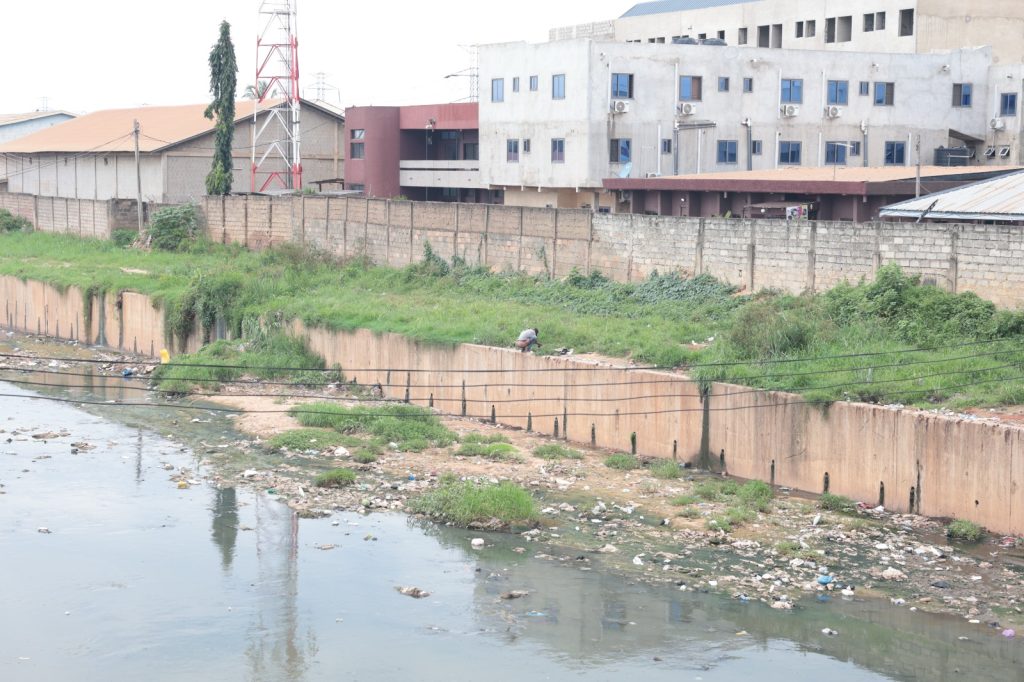
Most visibly, the riverbank has become an unofficial dumping ground, where everything from household refuse to industrial waste is discarded directly into the water or piled along the edges, only to be washed into the main channel during rains.
Furthermore, landfilling and construction on the river’s floodplains not only narrow the river’s channel—increasing flood risk—but also destabilise the banks, causing erosion and siltation.
These activities collectively transform the Odaw River into a conduit of pollution, delivering a constant stream of contaminants, nutrients, and solid waste that silts up and poisons the Korle Lagoon. What could have been a shimmering mirror reflecting the city’s skyline has instead become a symbol of neglect — a reminder of how human activity can degrade nature’s gifts when stewardship is lacking.
Yet, the environmental importance of the Korle Lagoon remains undeniable. It serves as a critical catchment basin that helps control flooding in Accra, especially during heavy rains.
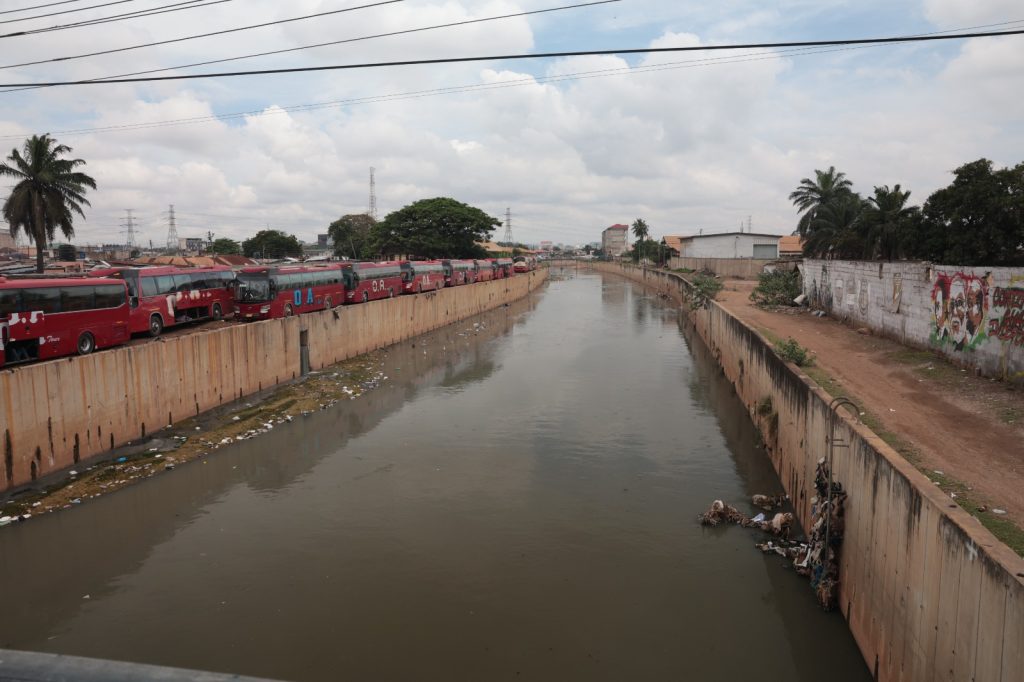
The lagoon also plays a vital ecological role, acting as a habitat for birds and marine organisms and as a natural filter for the city’s stormwater before it reaches the sea. Reviving it, therefore, is not just an environmental necessity but a civic and economic opportunity.
Around the world, cities have transformed their water bodies into icons of beauty and sustainability. In Singapore, the once heavily polluted Singapore River was cleaned and revitalised into a vibrant waterfront precinct that now anchors tourism and nightlife.
Cape Town’s V&A Waterfront, built around its restored harbour basin, is today one of Africa’s most visited destinations. Even Lagos, with its Lagoon and Eko Atlantic development, is showing what visionary urban planning can achieve when water and the city coexist harmoniously.
Accra can follow suit. The Korle Lagoon’s revival could become the centrepiece of an urban regeneration project that fuses environmental restoration, public recreation, and eco-tourism. Imagine landscaped walkways, bicycle paths, floating gardens, and art installations along its banks. Picture a lagoon clean enough to host canoeing festivals, bird-watching tours, and weekend family picnics — all powered by local businesses and community participation. Such an initiative would not only restore the lagoon’s ecological balance but also stimulate green jobs, boost tourism, and redefine Accra’s aesthetic identity.
To achieve this vision, a multi-stakeholder approach is essential. City authorities, environmental agencies, private investors, and community leaders must collaborate to enforce waste regulations, invest in proper drainage systems, and promote public education on sustainable waste disposal. Schools, media houses, and civic organisations can also help by championing awareness campaigns that rekindle public affection for the lagoon.
The Korle Lagoon can once again be a symbol of pride, not pollution. It can tell a new story — one of redemption, resilience, and responsible city living. Restoring it is not just about cleaning a body of water; it’s about reclaiming the soul of Accra.
If we choose to see the Korle Lagoon not as a lost cause, but as a living opportunity, then Accra can stand among the world’s great coastal cities — proud, clean, and beautiful by nature.