Ghana stands on the cusp of an infrastructural revolution. The government’s bold plan to construct a brand-new, 198.7-kilometre expressway connecting Accra to Kumasi is more than just a road project; it is the critical missing link in a grand strategy to position Ghana as the undisputed trade and logistics gateway to the Sahel region.
As a transportation specialist, I see this not merely as asphalt and concrete, but as the backbone for a fully integrated, multimodal transport corridor that will redefine economic geography in West Africa.
A Glimpse at the Project: A “Greenfield” Marvel
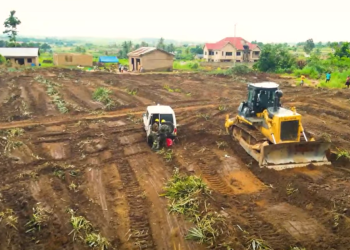
This is not a simple expansion. The Accra-Kumasi Expressway is a greenfield project—a completely new alignment cutting through the Greater Accra, Eastern, and Ashanti Regions. It promises to be a modern engineering feat:
• Six-Lane Efficiency: A six-lane, bi-directional (Class A) expressway designed for high-speed travel.
• Strategic Infrastructure: Featuring 8 major interchanges, three major bridges over the Birim and Pra Rivers, and 4 full-service rest areas.
• Digital Tolling: Two 20-lane automated toll plazas at the Accra and Kumasi ends will ensure efficient, digital collection.
• Drastic Time Savings: The project aims to slash travel time between the two cities from about 4 hours to just 2.5 hours.
With a budget of GHC 30 billion and a three-year timeline, the government’s “Big Push” is ambitious. If delivered, its impact will be transformational.
Why It’s a Masterstroke for Multimodal Transport
This is where the project’s strategic genius lies, particularly for achieving the vision of making the MPS Container Terminal at Tema Port the hub for West Africa. The landlocked nations of Burkina Faso, Mali, and Niger rely on efficient coastal access. This expressway is the key to unlocking it.
1. Supercharging the Port-to-Hinterland Corridor: The expressway creates a faster, more reliable road link from Tema Port to inland hubs like Kumasi and the strategic Boankra Integrated Logistics Terminal (BILT). For containerised freight bound for the Sahel, reducing transit time and variability is paramount. This directly lowers fuel costs, reduces the risk of demurrage at the port, and slashes inventory holding costs for shippers and forwarders.
2. Enabling Seamless Intermodalism: A high-quality expressway makes road feeder services to future inland railheads like Boankra faster and more predictable. This enables efficient combined road+rail container movements for the long haul to Ouagadougou or Bamako. By creating a fluid connection between the port, inland terminals, and rail networks, the expressway makes the Ghana corridor more competitive than alternatives via Abidjan or Lomé.
3. Strategic Re-routing for Sahel Transit: The new, shorter alignment will naturally re-route heavy container traffic from older, congested roads onto this high-capacity corridor. This improves the throughput and predictability of the entire north-bound route (Kumasi → Tamale → Bolgatanga → Burkina Faso), directly supporting Ghana’s ambition to grow its share of transit traffic to the West African interior.
Catalyst for Jobs, Agriculture, and Tourism
The benefits extend far beyond freight logistics.
1. Job Creation Across Phases: The project is a massive employment engine. The construction phase alone will create tens of thousands of direct jobs for civil engineers, equipment operators, and skilled trades, alongside indirect jobs in supply and support services. Post-completion, sustained employment will shift to toll operations, road maintenance, and the vibrant new logistics parks, warehouses, and service areas that will spring up along the corridor.
2. Agricultural Revolution: For the agriculture sector, the expressway is a game-changer. It provides faster market access for perishable goods, drastically reducing post-harvest losses and improving farmer incomes. It also eases the delivery of farm inputs and will attract agro-processing plants to set up near interchanges, adding value closer to the source.
3.Tourism Boost: The dramatic reduction in travel time will unlock a new wave of domestic and regional tourism. Weekend trips from Accra to the cultural sites of Kumasi and the serene beauty of Lake Bosomtwe will become easily feasible, boosting hospitality businesses and creating a more vibrant 24-hour economy along the route.
The Road Ahead: Key Enablers for Success
To maximise these benefits, the project must be executed with a clear, forward-looking policy framework. As decision-makers move forward, they must prioritise:
1. Interchange Zoning: Pre-allocating land around interchanges for structured logistics parks to prevent chaotic development.
2. Transit Facilitation: Implementing harmonised customs documentation and future e-TIR systems for seamless border crossings for containers.
3. Maintenance Assurance: Ring-fencing toll revenue for performance-based maintenance to ensure the road remains in top condition for freight.
Conclusion
The Accra-Kumasi Expressway is more than a road; it is an economic corridor in the making. It is the vital artery that will connect the heart of Ghana’s maritime gateway in Tema to the pulsating economic potential of the Sahel.
By strategically integrating this infrastructure with inland ports and rail networks, Ghana can secure its position as the premier logistics hub in West Africa. The journey to a more connected, prosperous, and efficient Ghana is about to get a whole lot faster.
–
Writer: Evans Ago Tetteh, Ph.D.,Department of Transport, Regional Maritime University