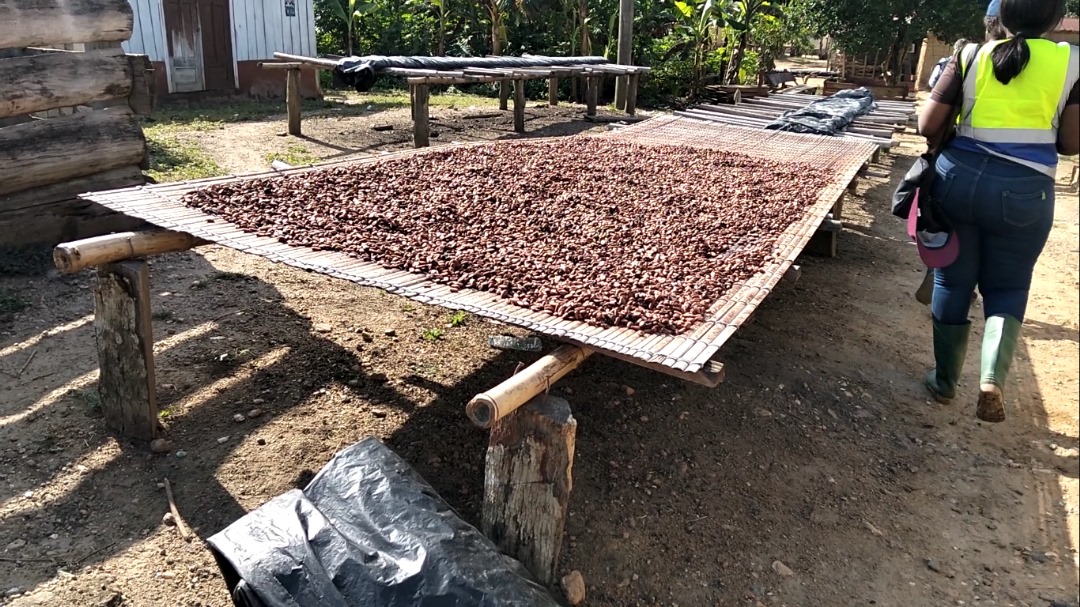
Climate change is pushing farmers in the Amenfi West Municipality to adopt climate-smart practices, including planting trees within their cocoa farms, to restore degraded lands, improve soil fertility, and sustain long-term cocoa production.
Experts warn that cocoa farms in Kamaso, Supanso, Asankrasaa, Atobrakrom, and other communities face declining yields due to climate change, aging trees, deteriorating soil, and destruction caused by illegal mining.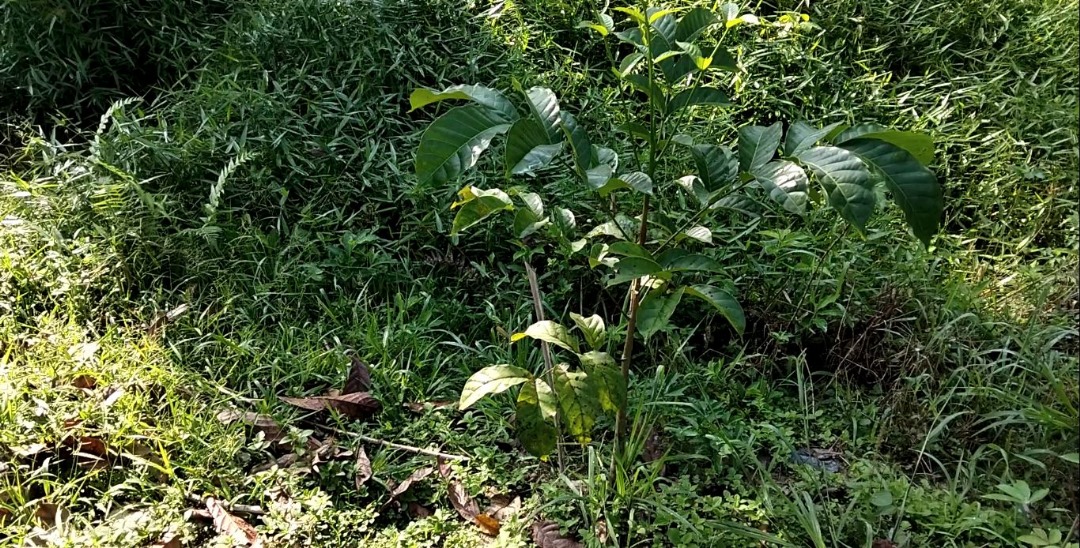
Dr Shalom Addo-Danso, Senior Research Scientist at the Forest and Climate Change Division of CSIR-FORIG and Project Lead at Preferred by Nature, described the situation as increasingly dire.
“There is also the challenge of soil degradation, compounded by emerging diseases and the impact of illegal mining activities (galamsey) on cocoa production. Climate change has further weakened the sector’s resilience, with rising temperatures and increasingly erratic rainfall patterns disrupting productivity. The degradation of the broader ecosystem and farmlands continues to worsen the situation,” he said.
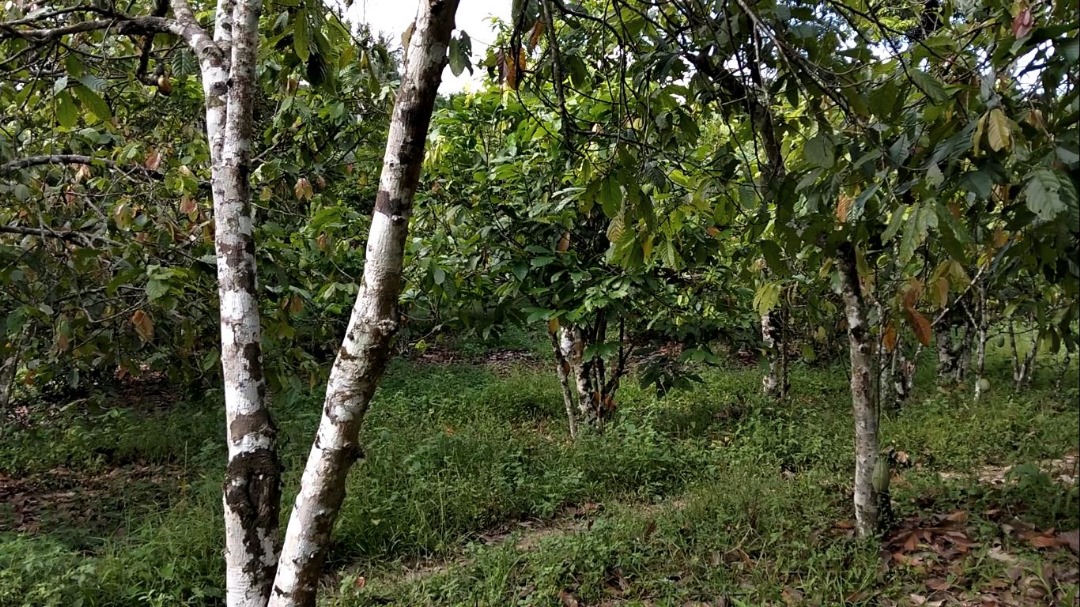
Dr Addo-Danso added that many farmers are being forced to expand into nearby forest reserves in search of fertile land, contributing to deforestation and biodiversity loss.
“Because the land is degrading, there’s a tendency to open up forests for new cocoa farms. This is causing deforestation and loss of biodiversity,” he explained.
Through an initiative by Preferred by Nature, Ghana, supported by the Danish Ministry of Foreign Affairs, farmers in these communities are now being trained to plant trees such as Mahogany, Mansonia, Emire, and Edinam. Experts say these species help create a climate-resilient environment for cocoa by preserving soil moisture and improving farm productivity.