As more African communities move their work online, a new danger is growing quietly in the background — cyber attacks. Schools, hospitals, civil society groups, and local government offices now store large amounts of personal data, yet many lack the tools and skills to protect it.
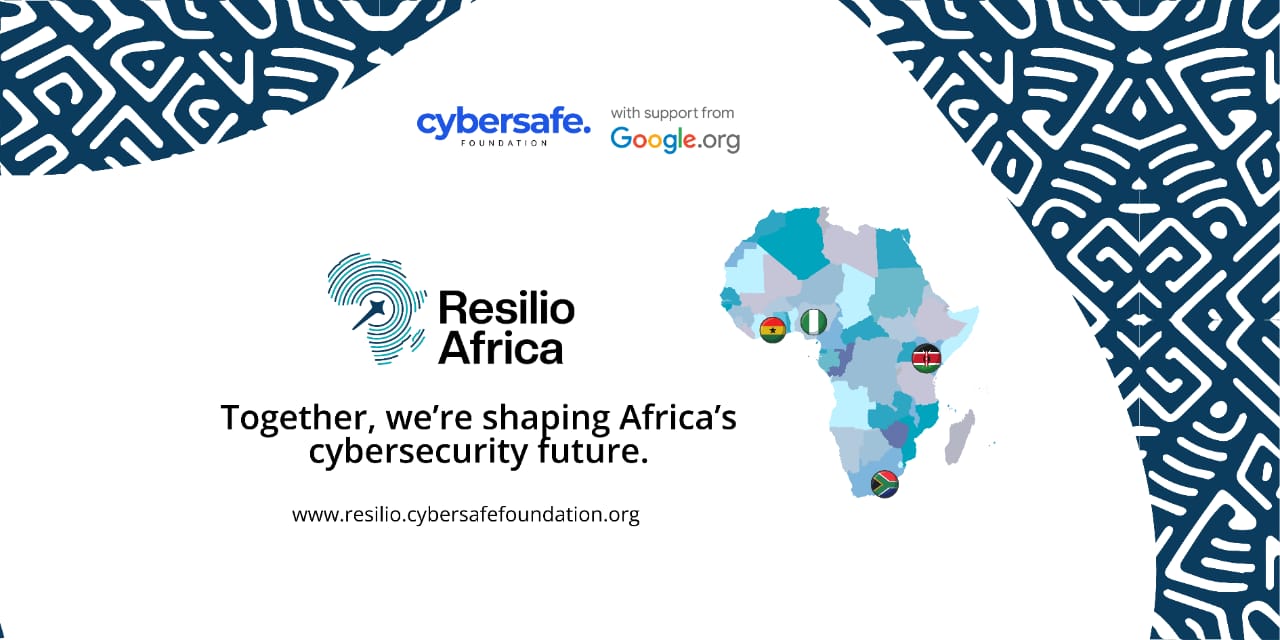
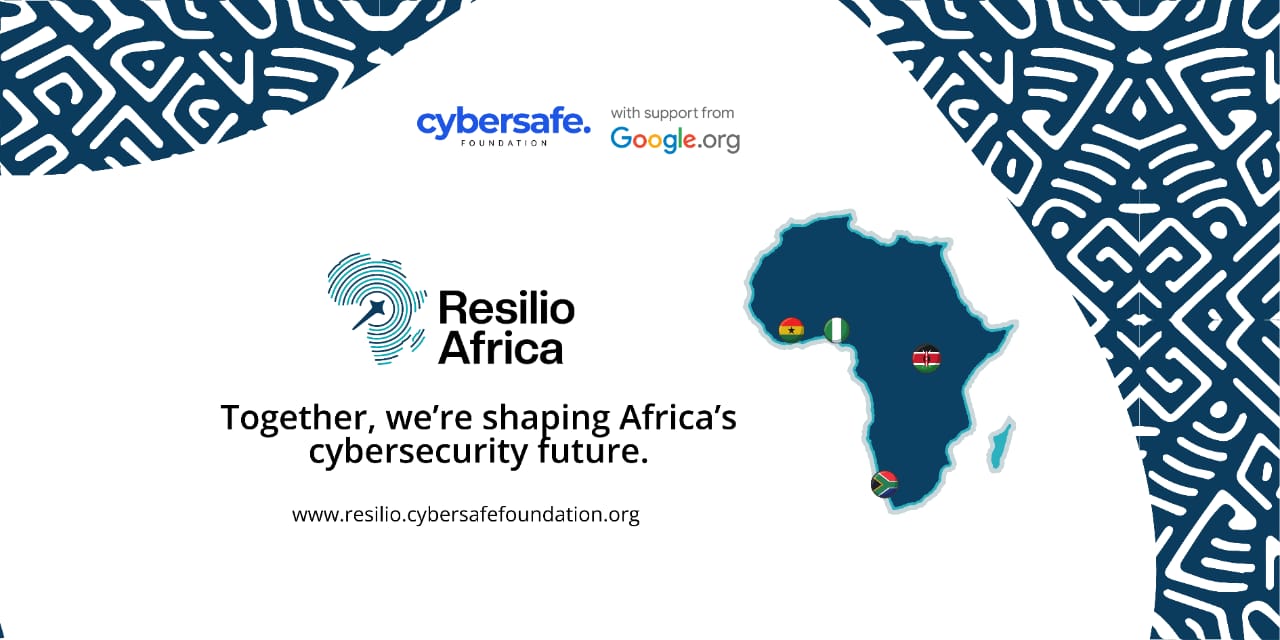
To respond to this threat, CyberSafe Foundation, with funding support from Google.org, is launching a major cybersecurity initiative called Resilio Africa. The three-year project will work across Ghana, Nigeria, Kenya, and South Africa to protect key community institutions and the people who depend on them.
Resilio Africa will support 200 Critical Community Institutions, including public and non-profit organizations that provide essential services. These institutions will receive free cybersecurity tools, risk assessments, threat alerts, and help to respond quickly when attacks happen.
The project is expected to protect more than 2 million people and secure over 15 million public records, making it one of the largest community-based cybersecurity efforts ever launched in Africa.
The goal is to help local institutions stay safe, trusted, and functional in an increasingly digital world.
CyberSafe Foundation says cyber threats in Sub-Saharan Africa are rising fast. Many institutions still use old computer systems, lack trained staff, and have little or no budget for digital security.
A briefing from the Foundation shows that most community institutions are not prepared for modern cyber threats such as ransomware, phishing scams, data theft, and system shutdowns.
Data from INTERPOL shows that Africa recorded a 23 percent rise in ransomware attacks in 2023, with public and non-profit institutions among the worst affected.
The International Telecommunication Union (ITU) also reports that more than 60 percent of African countries have low levels of cybersecurity readiness, creating gaps that criminals are exploiting.
Reports from AfricaCERT and national cybersecurity agencies show growing attacks on government offices, hospitals, and other public institutions. Many struggles with basic protections, such as secure and encrypted communication.
In Kenya, national security data shows that 114 cyberattacks targeting community institutions were recorded in the first eight months of 2024. This number jumped by 201 percent in the first quarter of 2025.
In Nigeria, several government and health institutions still use unencrypted systems, making them easy targets. Institutions in Ghana and South Africa face similar weaknesses and often lack the capacity to respond when systems are breached.
CyberSafe Foundation warns that without urgent action, cyber incidents could disrupt essential services, expose sensitive personal data, and cause real harm to millions of people. Resilio Africa is designed to move beyond awareness and deliver practical support.
The project will provide cybersecurity assessments for institutions, free technical security tools, incident response plans and step-by-step playbooks and threat intelligence to warn institutions early.
It will also deliver over 10,000 hours of free cybersecurity consulting and train more than 4,500 staff members, including leaders, IT teams, and general workers.
The Foundation says this approach will not only fix current problems but also help institutions stay safe in the long term.
“At Google.org, we believe that access to secure digital systems is a cornerstone of inclusive growth,” said Haviva Kohl, Senior Program Manager at Google.org. He said Google’s support for CyberSafe Foundation shows their shared commitment to empowering communities and protecting the institutions that serve them.
According to Confidence Staveley, Founder and Executive Director of Cyber Safe Foundation, Africa’s digital future depends on trust and safety.
“Africa’s digital transformation cannot succeed if our communities remain vulnerable,” she said. “With Google.org’s support, we are scaling a proven model that will help critical institutions become resilient, safeguard the people they serve, and preserve trust in digital public systems.”
Applications to join the Resilio Africa project are now open. Eligible institutions can apply through the project website at www.resilio.cybersafefoundation.org
Google.org is Google’s philanthropic arm. Since 2005, it has supported underserved communities through funding, innovation, and access to technology.
CyberSafe Foundation works to make cybersecurity and artificial intelligence education accessible to underserved groups. Since 2019, it has reached over 30 million people, trained more than 70,000 individuals, and supported over 4,000 small businesses to improve their digital security.