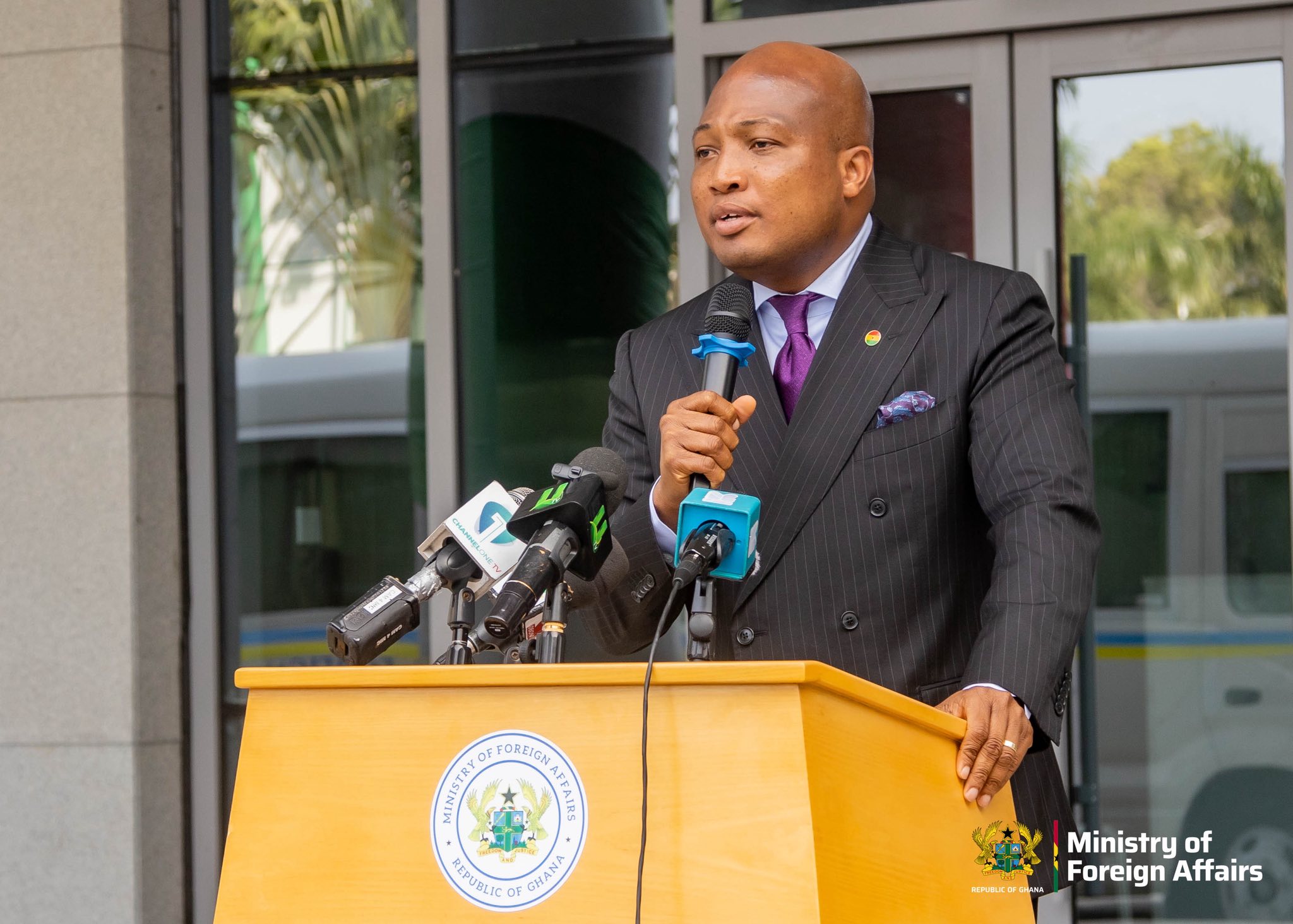
Foreign Affairs Minister, Samuel Okudzeto Ablakwa has announced government’s plan to introduce an electronic visa (e-visa) system in the first quarter of 2026 as part of measures to make travel to Ghana easier and more affordable for Africans in the diaspora.
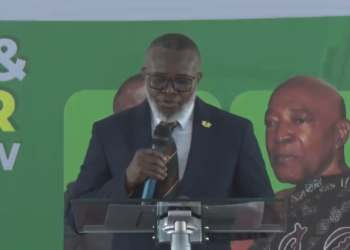
The policy direction was unveiled at the closing session of the maiden Diaspora Summit held in Accra on Saturday, December 20, 2025, where the Minister described the initiative as a directive from President John Dramani Mahama aimed at strengthening Ghana’s connection with Africans abroad.
“I am delighted to announce to you that this government, under strict instruction of President John Dramani Mahama, will be rolling out an e-visa policy in the first quarter of next year, 2026. We have discussed with management and the Ministry of Foreign Affairs that we are going to have a special dispensation for Africans in the diaspora so that you will not have to make the same payments as others will make, and you can travel to the motherland easily, smoothly and more conveniently,” Mr. Ablakwa said.
He explained that the new regime will be guided by reciprocity, stressing that visa fees charged by Ghana would reflect what Ghanaians pay when travelling to other countries.
“How much we pay when we want to go into their country, we will make sure we are all paying the same in the spirit of reciprocity, so we can all raise the funds that we need to develop our country,” he added.
Beyond easing travel, the Foreign Affairs Minister linked the e-visa initiative to broader economic ambitions, arguing that increased diaspora inflows could significantly boost domestic investment and national revenue.
He cited the potential benefits of reviving national aviation capacity, noting, “Imagine if all the tickets of those who flew into the country were on Ghana Airways; that money would have been an investment in the Ghanaian economy and not in the other countries… where those ticket resources are going to.”
Reinforcing the economic implications of the policy shift, Presidential Advisor on the 24-Hour Economy, Augustus Goosie Obuadum Tanoh, urged members of the diaspora to see the reforms as an opportunity to invest in Ghana’s productive sectors.
He explained that the 24-Hour Economy programme is designed to drive growth through integrated value chains, stating that it would “organise production around integrated value chains in strategic sectors, linking agriculture to processing through agro-industrial partnerships supported by logistics hubs.”