At the heart of Accra Newtown in the Ayawaso Central Constituency lies Mallam Atta Market, and vibrant trading hub that has for decades served as the economic engine of the area.
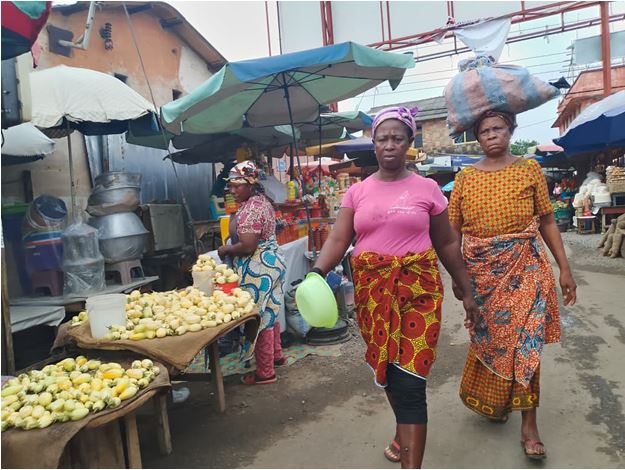
It is not just a marketplace. It is a pillar of survival, a space of opportunity, and a foundation of livelihood for thousands of residents. From the women who trade foodstuffs to the mobile money vendors, Kayayei, meat sellers, and even local buyers, this market supports a vibrant ecosystem that sustains families, businesses, and the wider economy of Accra Newtown.
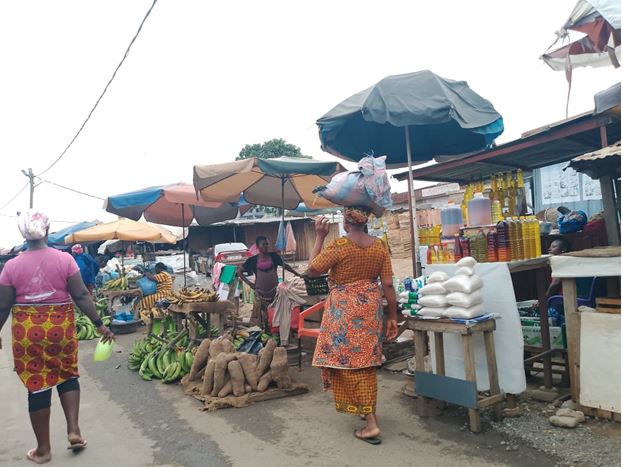
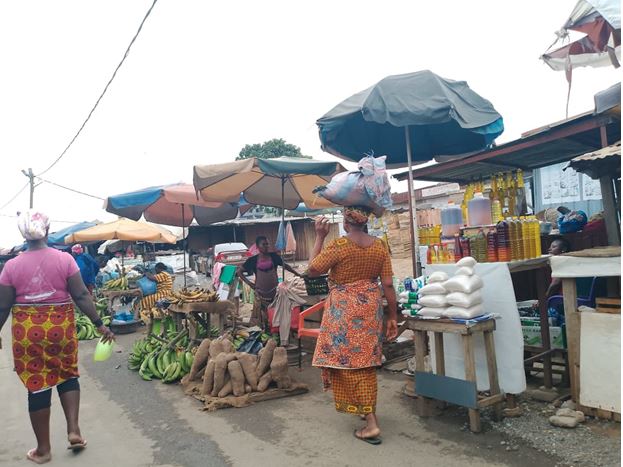
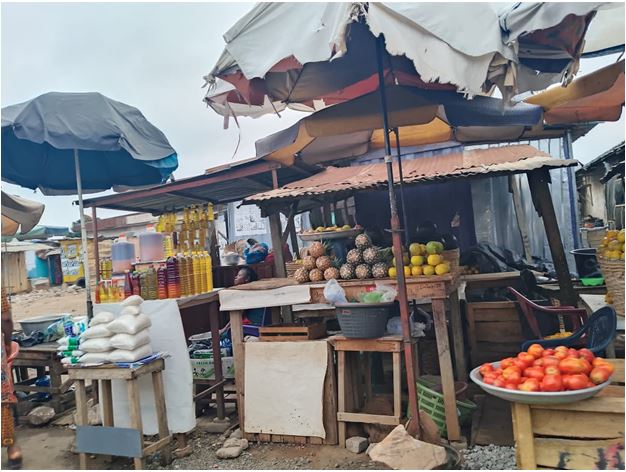
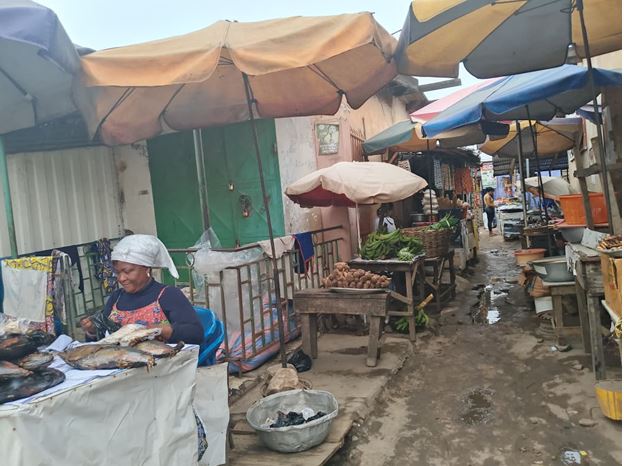
Despite its modest structure comprising wooden stalls, block buildings, makeshift umbrella coverings, and open tables, Mallam Atta Market plays a crucial economic role. With over 500 active traders and several thousand daily visitors, it fuels commercial activity across neighbouring communities such as Kotobabi, Nima, Dzorwulu, Circle, and beyond.
The Origin of the Name “Mallam Atta Market
The market now popularly known as Mallam Atta Market was originally called the Newtown Market. Over time, the name changed due to the historical background of the land on which the market was established.
The land originally belonged to a Muslim herbalist who was a twin. In the local community, he was widely known as Mallam Atta, with “Mallam” being a respectful title for Muslim scholars or spiritual figures, and “Atta” signifying his identity as a twin.
His herbal practice was based on this land, and as a result, the area gradually became known by his name for easier identification. People in the community would direct others to “Mallam Atta” or refer to the location as “Mallam Atta’s place,” especially since he was well-known and respected.
When the idea of setting up a market came about, the land granted for it was part of this same area associated with Mallam Attah. Naturally, the name transitioned from Newtown Market to Mallam Atta Market.
But as the market evolves amid modern urban challenges, congestion, poor sanitation, lack of infrastructure, and encroachment, it raises a critical question: How important is Mallam Atta Market to the local economy of Accra Newtown today?
Market Layout
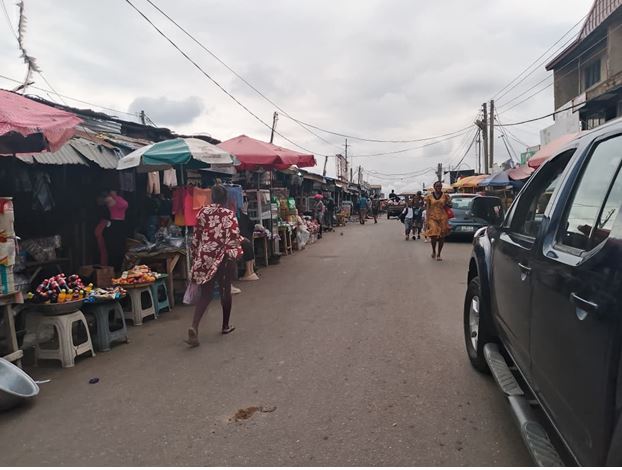
Upon entering Mallam Atta Market from the west, patrons are met with provision stores and mobile money vendors. From the east, household items and pastries fill the stalls. To the north, fresh vegetables line the floors, while food, clothing, and household items dominate the rest of the space.
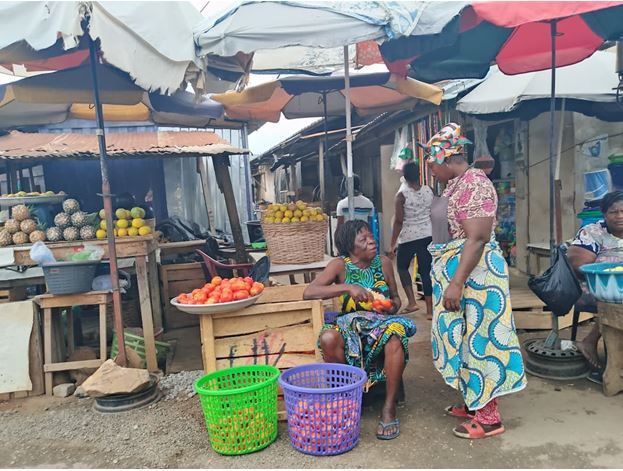
Each section serves a specific purpose, yet vegetable vendors lack designated stalls, often forced to sell under umbrellas or on bare ground.
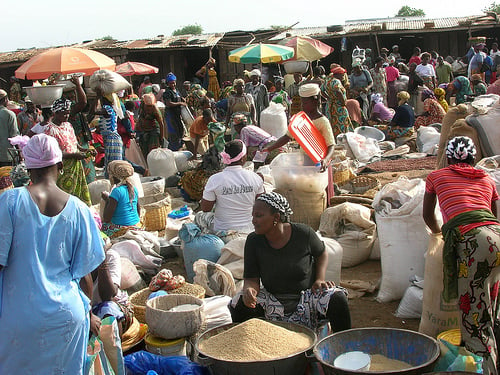
The market layout allows for relatively smooth movement except on Saturdays, the official market day, when the space becomes a human maze, packed with buyers and sellers from across the city. While congestion can be a challenge, market days also present an opportunity to purchase items at lower prices and sell in bulk. Traders rely heavily on these market days to purchase.
Stories of Survival
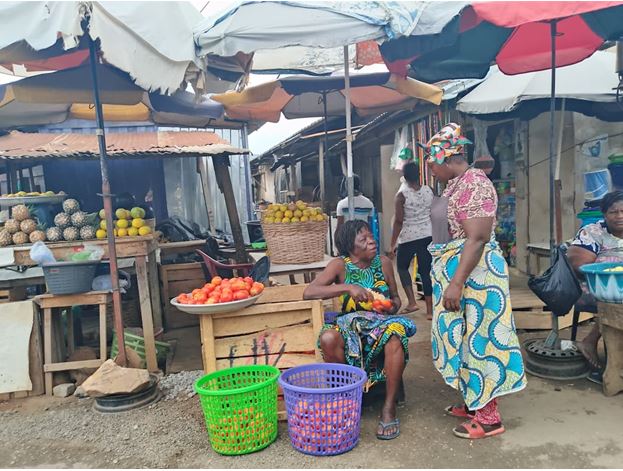
Grace Ocloo, an elderly single mother who has traded in the market for over 50 years, recounted how she educated all her children, now professionals, including a doctor, a journalist, and a NAGRAT staff member, through the income from her tomato sales.
“I started trading here as a young girl with my mother. I was able to educate all my children through the money I made from selling tomatoes. One is a doctor, one works with NAGRAT, another is a journalist, and I now have nine grandchildren. This market is everything to me. All these were acquired through the sales that I make from selling. I used to make 300 as profit or more, but now the market is slow and even with that what I get is manageable.”
But for Madam Ocloo and others, the lack of structured space for vegetable traders is a growing concern.
“I have many goods but no space of my own. I have to display my tomatoes under someone else’s umbrella. We need space to sell properly.”
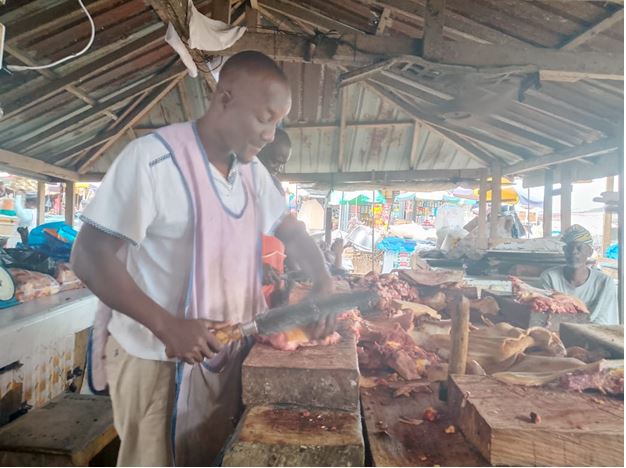
Similarly, Ernest Djan, a meat seller who has worked in the market for 25 years, noted that while the market once flourished, sales have significantly declined in recent years. He attributed this drop to increasing competition from nearby markets and the growing number of people using the market space as a place to sleep, which he believes discourages customers from coming in.
“The market used to thrive. Now, too many people sleep in the market, and customers no longer come like they used to. The crowd that used to make this place vibrant is gone, and it’s affecting our business badly.”
Mallam Atta Market is more than a place to buy and sell; it’s an economic engine that powers informal work. For Kakra Mensah, a mobile money vendor, the market has been a business enabler for over five years.
“I have been in this market for about five years, and because of the market, my business is doing well. People come in to transact, and that is due to the existence of the market. One major problem is sanitation. Because of the nature of the gutters around, people do very unlawful things. Some people, especially the Kayayei, dump used diapers into the gutters, which is very unhealthy. This issue should be taken very seriously.”
And for the Kayayei, young women from the north who carry heavy goods for a fee, the market is a lifeline. Though they spoke off-camera, many said they earn up to GH₵100 a day depending on the crowd, allowing them to send money home, avoid early marriage, or fund their education.
Encroachment and Insecurity
According to the Deputy Queen Mother of the market, Akoley Oduway, while the economic role of the market is undeniable, encroachment and insecurity are threatening its survival.
“People have turned empty stalls into homes. Others have been robbing market women of their goods and money. There’s no security, and it’s forcing some of our mothers to stay home. We need action.” She said.
On the issue of illegal squatting, the MCE issued a clear warning to the squatters to vacate the place immediately or be forcibly thrown out by the assembly with the support of the security personnel.
 “We’ve engaged squatters twice. If they don’t move, we’ll remove them forcibly with the help of the security agencies. The 24-hour market plan needs space, and we’re reclaiming it.” These sentiments are echoed by regular buyers like Ayeety Okanley, who shops at the market for its affordability: “Their things are affordable, and I live nearby. That’s why I buy from here.”
But Papa Akow, another buyer, raises a safety concern. “On Saturdays, the congestion is too much. Cars and people compete for the same space. It’s dangerous, especially if a vehicle has brake issues.”
A Market for the Future
Responding to these concerns, the Municipal Chief Executive (MCE) of the Ayawaso Central Municipal Assembly outlined a bold plan to revamp the market.
“Trade in the market has gone down, in terms of both purchasing and selling. Because of that, we are now focusing on reviving the market, improving its activities, decongesting the space, and sanitising the environment to make livelihoods and business more attractive.
The President has a vision of creating a 24-hour economy, and we are modelling Mallam Atta Market to be part of this initiative. Based on that, employment and market activities will operate around the clock, creating opportunities for the youth and everyone who works within the market. Once we can fully develop the market, those who left for nearby markets will return and reinvest in Mallam Atta Market.”
 The MCE also announced support for youth training and entrepreneurship by partnering with the Constituency’s MP, Ruaf Tubazu, and NYA, which is introducing apprenticeship and entrepreneurship programs aimed at equipping young people with skills and business support, ensuring that they not only learn trades but have a place to practice them.
“The Municipal is supporting the MP, Honourable Ruaf Tubazu, to make sure that he has an apprenticeship programme for the youth in the constituency, which we the Assembly are also supporting in terms of allocating space not just any place to encroach, but also we are giving proper allocation, so that when they pass out, and they need to find a place to keep their containers to start their own, we will do it. We are also educating the youth to venture into YEA programmes.”
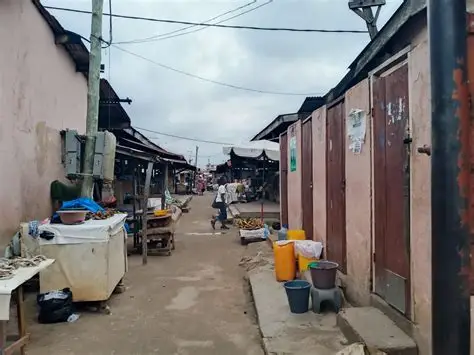
As part of the plan, sanitation guards will be deployed, and market women will be educated on the importance of removable gutter coverings to ensure better drainage and cleanliness.
“We have asked the Assemblyman to call the Kayayei leadership so we can address improper waste disposal. Clean markets attract more customers.”
Conclusion
The future of Mallam Atta Market depends on urgent action to tackle challenges of congestion, sanitation, and insecurity. With the Assembly’s commitment to revamping the space into a 24-hour market and creating opportunities for the youth, Mallam Atta Market has the potential to reclaim its vibrancy and remain a pillar of livelihood for generations to come.