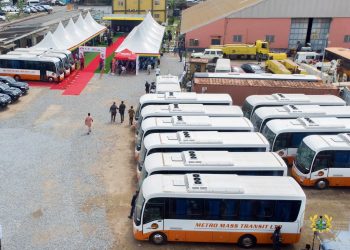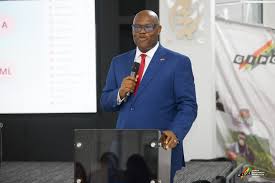
The Minister of Transport and Member of Parliament for Saboba, Joseph Bukari Nikpe, has assured that the State Transport Company (STC) and Metro Mass Transit (MMT) will receive new buses by the end of the first quarter of 2026 as part of government efforts to retool the two state-owned transport operators.
Speaking in an interview with Bernard Avle on The Point of View on Channel One TV on Monday, December 22, Mr. Nikpe said the government has secured financial backing from the Ghana Commercial Bank (GCB) to support the acquisition of new buses for STC, with similar arrangements underway for MMT.
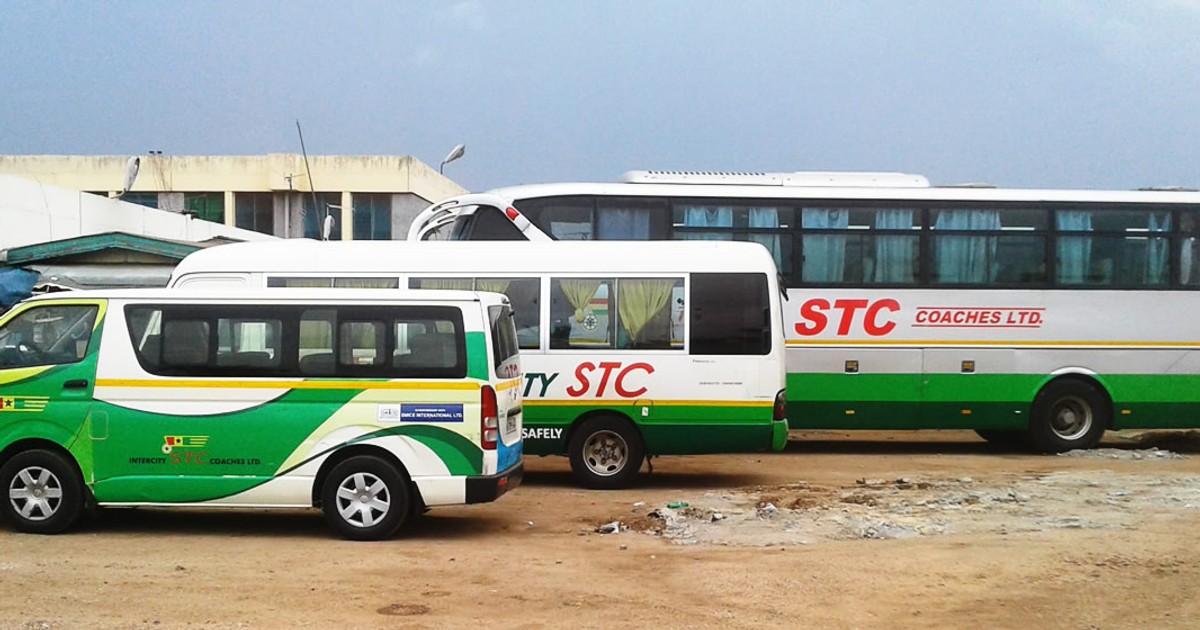
“It is a headache to us in the Ministry, and I want to thank the President for his concern,” Mr. Nikpe said. “Just last week, we were able to get the Ghana Commercial Bank, and the President himself sat in a meeting with STC management for us to see how we can get support for STC to acquire almost 300 buses.
“God willing, we should have buses by the end of the first quarter [2026] for all the two states’ companies.”
According to the Minister, the arrangement will allow STC to receive between 250 and 300 buses in the first phase, with additional buses to be procured annually to sustain operations.
“We are on course, and I am very certain that very soon STC will begin to receive new fleets supported by the Ghana Commercial Bank. They will purchase the buses, and the bank will do all the arrangements to support us to have more buses,” he stated.
Mr. Nikpe explained that the bus acquisition programme will be continuous, with plans to bring in more than 150 buses each year to strengthen STC’s operations.
“If they are able to bring in the first phase between 250 to 300 buses, it will be a yearly activity that every time we are going to bring in over 150 buses to support their operations. The same arrangement is being made for Metro Mass Transit Limited that the buses will be supplied in phases every year. We will renew their fleets,” he said.
The Transport Minister noted that before engaging financial institutions, the government implemented internal reforms to improve efficiency and accountability within the transport companies.
“Before the President agreed to talk to any bank, there were some internal arrangements we had to put in place. We have now put them on their toes to manage what they have, and we are seeing improvement in their daily mobilisation of funds,” he said.
He added that despite operating with limited fleets, both companies have begun recording profits, a development he described as encouraging.
“The little buses they have are beginning to make profits. That is a clear indication to us that if we make arrangements for them, they will be able to pay for it,” Mr. Nikpe said.