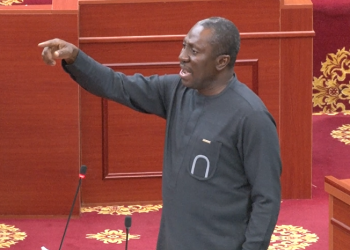
The Deputy Minister for Energy and Green Transition, Richard Gyan-Mensah, has urged Africa to urgently align its energy systems, infrastructure development and trade policies to unlock industrial growth and competitiveness.
Delivering a keynote address on behalf of the Minister for Energy and Green Transition, Dr. John Abdulai Jinapor, at the Roundtable on Energy, Infrastructure and Trade Connectivity during the Africa Trade Summit 2026, Mr. Gyan-Mensah said Africa’s industrial ambitions are being constrained not by a lack of talent or ideas, but by fragmented systems.
He noted that successful industrial economies are built on three pillars—reliable energy, resilient infrastructure and efficient trade systems—and warned that when these elements are not aligned, growth stalls.
Despite significant infrastructure investments in recent years, the Deputy Minister said Africa continues to face structural gaps due to poor coordination, with energy policy, infrastructure development and trade facilitation often pursued in silos.
This, he explained, has resulted in high production costs, inefficient logistics and weakened trade competitiveness.
Energy, he stressed, remains central to Africa’s industrial challenge, adding that while industry accounts for up to half of electricity consumption in industrialised regions, it consumes less than 20 per cent in many African countries due to unreliable and costly power supply.

High tariffs and frequent outages, he said, continue to undermine manufacturing and investor confidence.
Mr. Gyan-Mensah highlighted Ghana’s recent reforms, including the clearance of about US$1.47 billion in legacy energy sector debt, which he said helped stabilise power supply and restore investor confidence.
He described Ghana’s gas-to-power strategy as a pragmatic transition approach.
He also underscored the importance of regional power pools, trade corridors, customs reforms and digital systems, noting that infrastructure only delivers value when goods can move efficiently across borders.
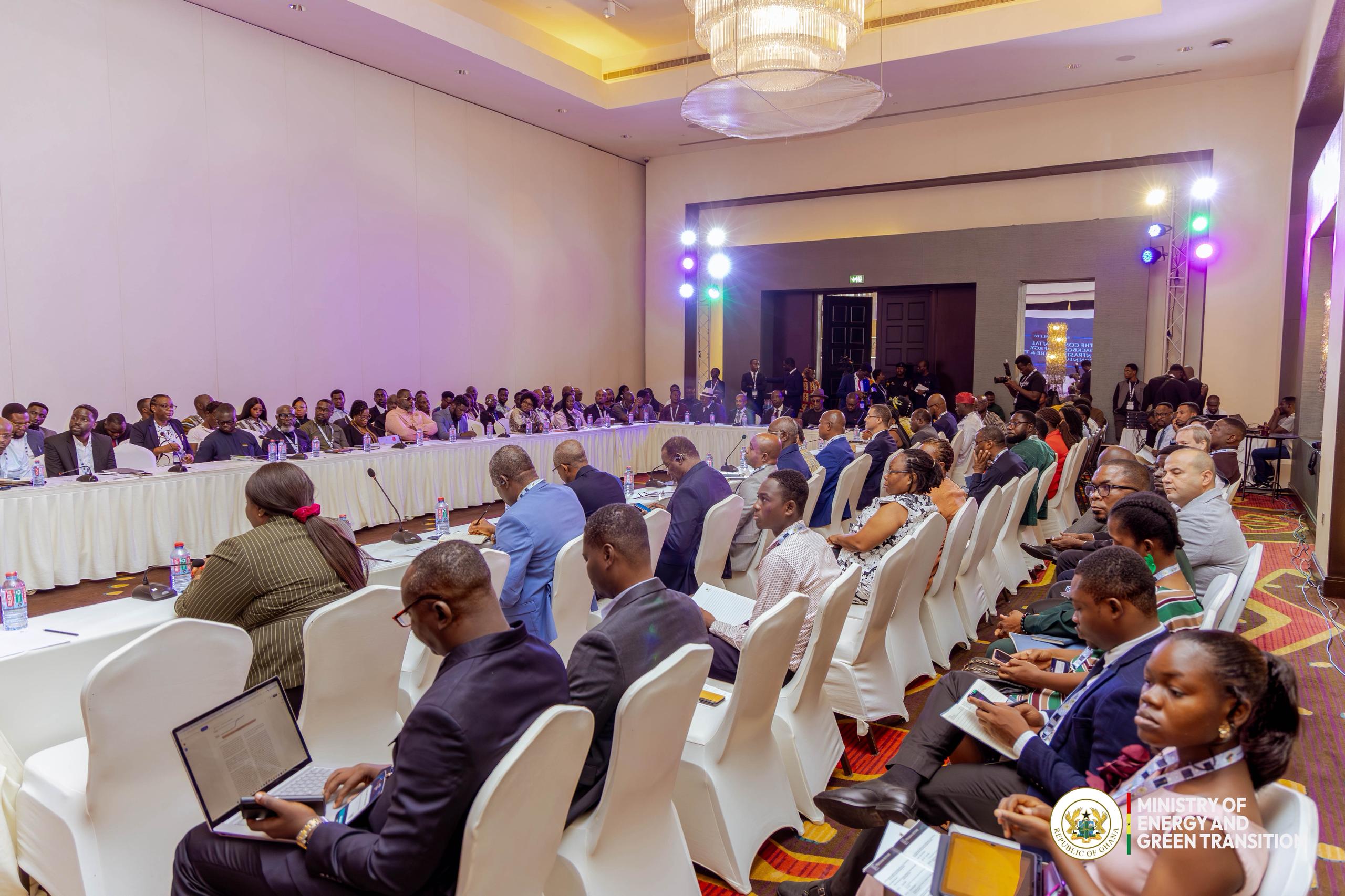
The Deputy Minister called for infrastructure diplomacy, stronger regional coordination and innovative financing, noting that Africa requires between US$130 billion and US$170 billion annually to close its infrastructure gap.
He concluded by urging stakeholders to move from dialogue to action, stressing that Africa’s industrial future depends on integrated energy, infrastructure and trade systems.
![Dr. Ellen Ohene-Afoakwa, [middle], newly elected Chartered Institute of Bankers (CIB) Ghana President](https://www.citinewsroom.com/wp-content/uploads/2026/07/CIB-Ghana-e1784064646202-350x250.jpeg)