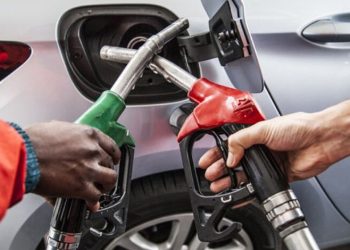
The Chamber of Oil Marketing Companies (COMAC) has resolved to maintain the petroleum price floor policy, at least for the time being.
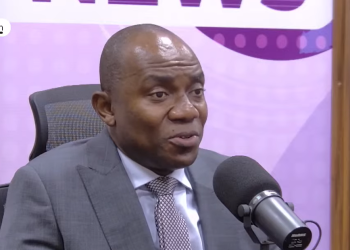
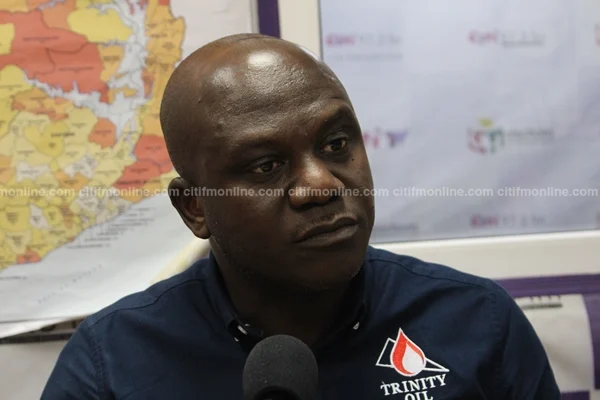
The decision was taken at a board meeting held on Thursday, January 22, 2026. Board Chairman of COMAC, Gabriel Kumi, confirmed the outcome in an interview on Joy News, stressing that while the policy remains, its effectiveness depends on strict enforcement by the National Petroleum Authority (NPA).
COMAC is calling on the regulator to ensure full compliance with the price floor, preventing any oil marketing company from selling below the approved minimum prices.
“It was unanimous. And like I did indicate, the industry is dynamic. We don’t know what will happen tomorrow. Maybe Star [Oil] is thinking ahead of time and is trying to come up with possible issues with this policy and trying to preempt the whole thing by asking for it to be scrapped. But when we get to that bridge, we will cross it.
“But for now, at this moment, as it stands, the industry as it stands, we strongly believe that that policy should continue to exist. What we are going to call for is for it to be implemented properly. If you have set a floor that no company should sell below, then we expect our regulator to adhere strictly by that.
“I think one of Star’s arguments is that there are companies who are already even pricing below that. The buck stops with the regulator to crack the whips and really make sure that the policy you are putting in place is working and is working properly. I think the source of all this problem is the fact that the policy is not working properly,” Gabriel Kumi said.
The price floor is provided for under the 2024 Petroleum Products Pricing Guidelines and represents the regulator-set minimum.
Under the guidelines, the NPA communicates applicable price floors at the start of each pricing window, with petroleum service providers required to comply. Violations attract fines of up to GH¢5,000.
The policy has been contentious since its introduction, with sections of the industry arguing that it suppresses competition and limits potential price reductions for consumers.
The debate intensified during the second pricing window of January, as price wars resurfaced across the downstream sector.
The controversy was reignited when Star Oil’s Chief Executive Officer Philip Tieku suggested that petrol could be sold at GH¢9.50 per litre between 10pm and 4am to support Ghana’s night-time economy, but for the constraints imposed by the price floor.
The comments drew a response from the Managing Director of state-owned GOIL, Edward Bawa, who questioned the credibility of calls for further price reductions when some players were already selling above the regulated floor price of GH¢9.80 per litre for petrol (PMS) in the current window.
These divergent positions on pricing and competition prompted COMAC to convene its board meeting to deliberate on the future of the price floor policy and other industry matters.
However, ahead of the meeting, Star Oil announced on Wednesday, January 21, that it had suspended its membership of COMAC with immediate effect, citing dissatisfaction with how the Chamber has handled opposition to the price floor policy.
Star Oil maintains that its call for the removal of the price floor has not been clearly articulated or adequately communicated by COMAC, both in internal discussions and public engagements, contributing to perceptions that its position is driven by anti-competitive motives.
The company argues that while it respects the majority view within COMAC in support of retaining the policy, the Chamber has failed to sufficiently recognize and explain the basis of its dissent, despite Star Oil’s significance in the downstream petroleum market.
COMAC, however, says it has begun engagements with Star Oil and remains confident that the market leader will return to the Chamber as efforts continue to forge a unified industry position amid heightened competition and pricing pressures.
“At the end of the day, Star Oil will come back,” Gabriel Kumi said.