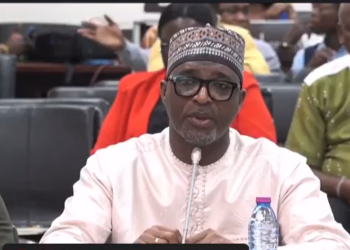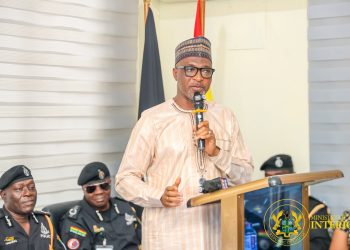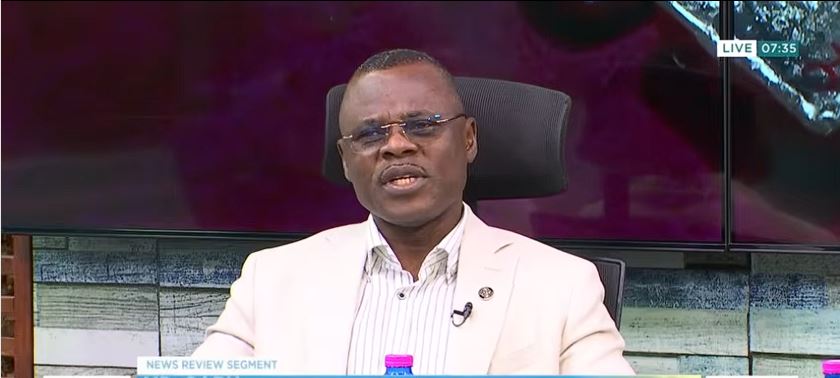
Member of Parliament for Garu, Dr Thomas Anaba, has attributed the reported losses recorded under Ghana’s Domestic Gold Purchasing Programme (DGPP) to exchange rate discrepancies rather than operational failures, urging the public to focus on the programme’s long-term national benefits.
Speaking on Channel One TV’s Breakfast Daily on Tuesday, January 13, he urged that the debate should not centre on whether losses were incurred, but on the exchange rate mechanism used by GoldBod to secure Ghana’s gold reserves.
According to him, GoldBod deliberately purchases gold at rates different from the Bank of Ghana’s official exchange rate to ensure it captures the bulk of locally produced gold for both reserves and export.
He explained that by prioritising the acquisition of domestically produced gold, Ghana strengthens its reserve base and export capacity, even if that approach creates short-term accounting losses.
Dr Anaba described the outcome as a strategic trade-off, arguing that “you must lose something to achieve something,” and maintained that the losses were not international but largely technical in nature.
His comments come on the back of an International Monetary Fund (IMF) report, which revealed that the Bank of Ghana recorded losses of about $214 million from the programme.
The IMF flagged the development as a potential downside risk to Ghana’s macroeconomic stabilisation efforts, citing transactions involving artisanal and small-scale mining, dore gold and what it termed “GoldBod off-taker fees.”
Despite defending the rationale behind the programme, Dr. Anaba threw his support behind calls for a full investigation into the GH¢5.6 billion loss recorded under the DGPP in 2024. He said the scale of the loss warrants thorough scrutiny, both locally and internationally, to establish responsibility and assess whether the programme is being managed optimally.
“A figure of GH¢5.6 billion cannot be overlooked,” he stressed, adding that a detailed probe is necessary to determine who was responsible and how the programme can be improved to safeguard public funds.