Cyberbullying in Ghana is a growing issue, especially with the increased use of social media, mobile money, and digital apps. A recent study by UNICEF in partnership with the Ministry of Communications and other stakeholders found that 40% of young people in Ghana have interacted online with individuals they had never met in person.
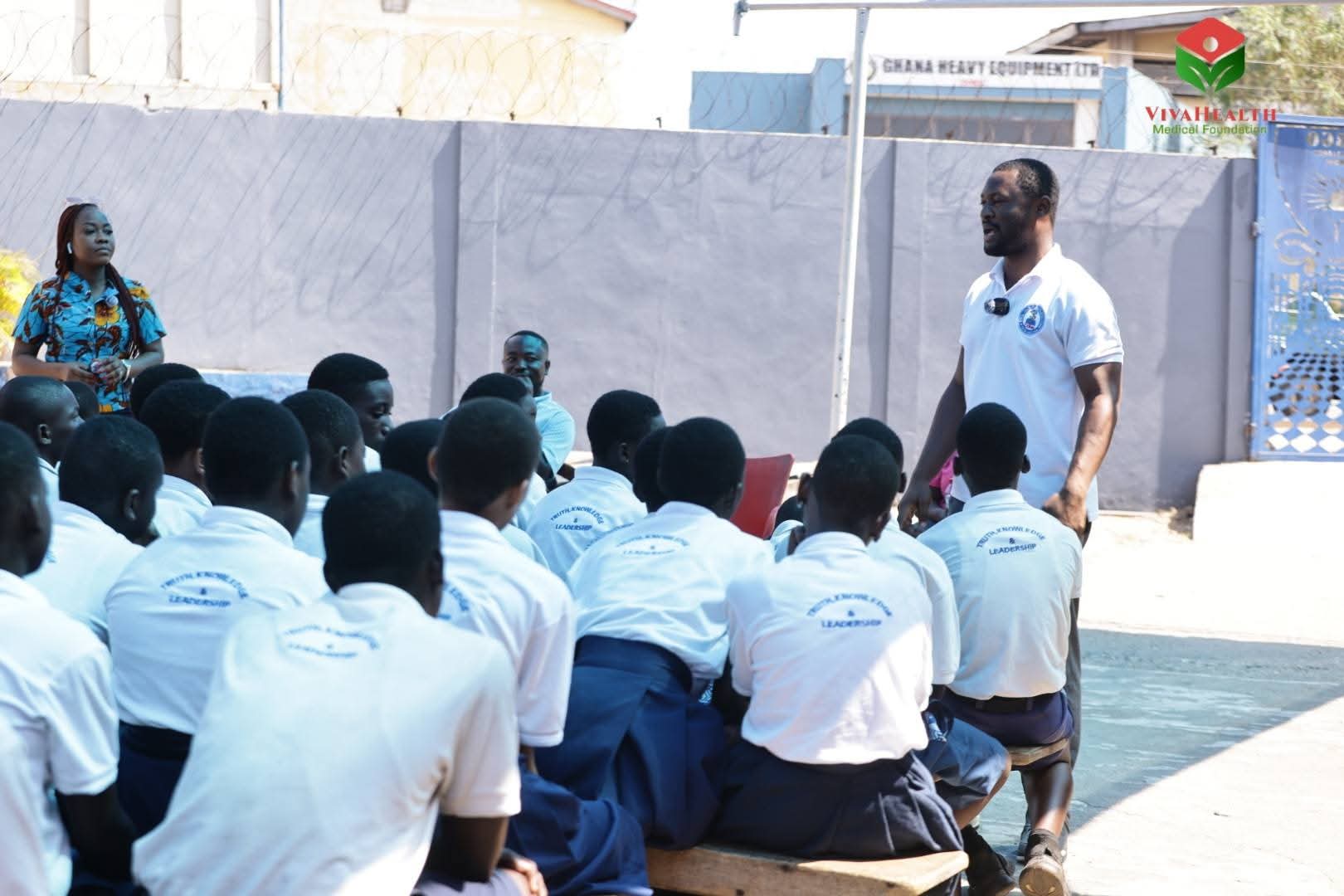
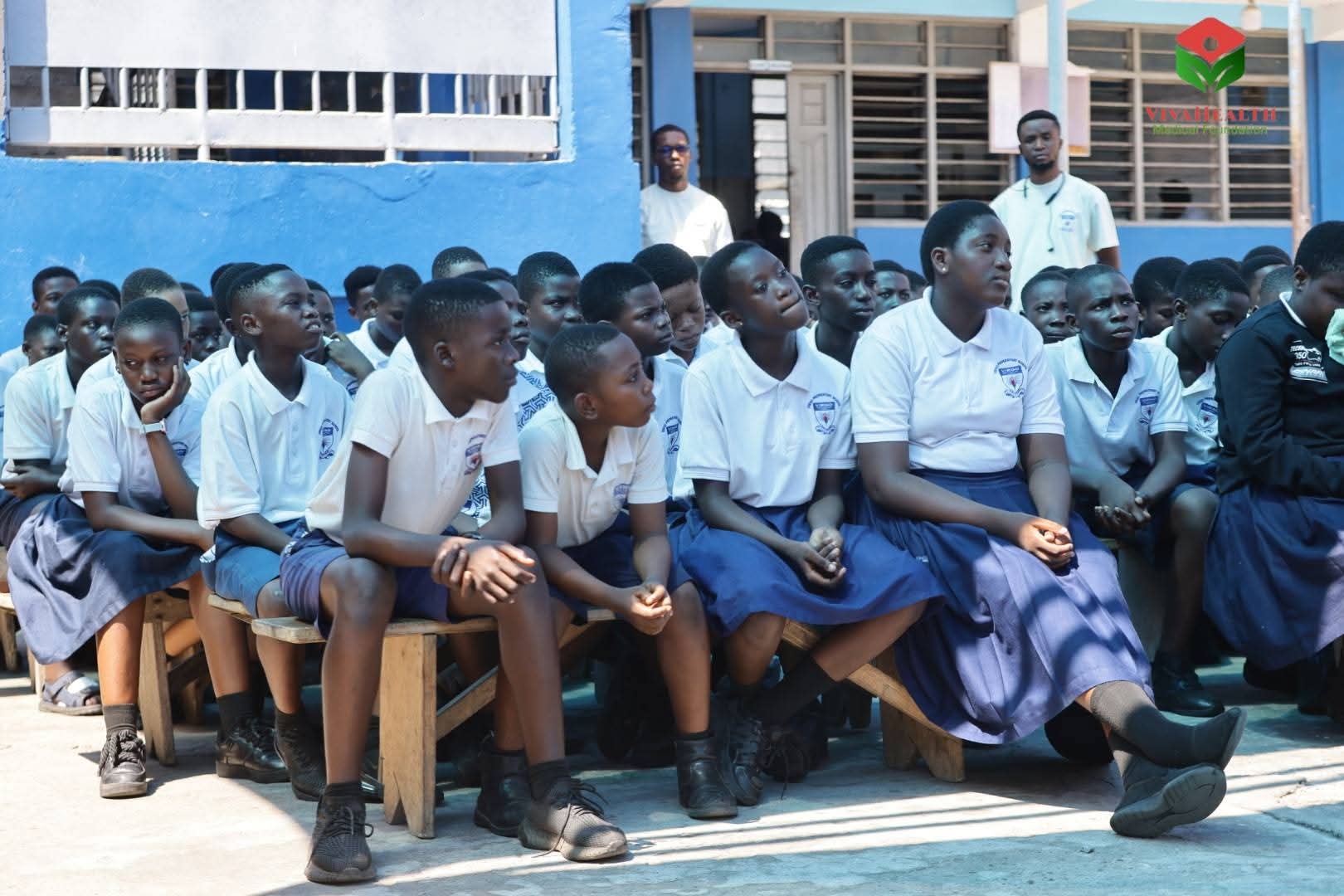
To raise awareness about cyberbullying, on 18th and 19th March 2026, Viva Health Medical Foundation successfully conducted impactful visits to two schools as part of its expanding Safe School Project, an initiative aimed at addressing bullying and cyberbullying among young people.
These engagements brought together students, educators, and mental health professionals in a shared space to address an issue that continues to affect the well-being, confidence, and development of many children.
Creating Awareness Where It Matters Most
Across both schools, the sessions were designed to go beyond lectures. They created safe and interactive environments where students could openly discuss their experiences, ask questions, and reflect on their roles within their school communities.
Led by experienced psychologists, the discussions explored:
•What bullying and cyberbullying truly mean
•The different forms they can take
•Their emotional and psychological impact
•The importance of speaking up and seeking help
For many students, this was the first time they had the opportunity to engage in such honest conversations on the subject.
Voices That Needed to Be Heard
One of the most powerful aspects of the outreach was the level of student participation and openness.
Students shared personal experiences, raised concerns, and asked thought-provoking questions. It became evident that while some had witnessed bullying, others had experienced it directly, often in silence.
The sessions helped to:
•Break the culture of silence around bullying
•Reassure students that they are not alone
•Encourage empathy among peers
Understanding the Hidden Impact
Through professional guidance, students were introduced to the psychological effects of bullying, including anxiety, low self-esteem, withdrawal, and academic decline.
Special attention was given to cyberbullying, highlighting how digital platforms can amplify harm and make it harder for victims to escape or seek support.
The psychologists emphasised that “Bullying is not just a phase; it has real and lasting consequences on a child’s mental health and development.”

A Shared Responsibility
The Safe School Project reinforced an important message: creating safe school environments is a collective responsibility.
Students were encouraged to:
•Speak up when they experience or witness bullying
•Support peers who may be struggling
•Use digital platforms responsibly
Teachers and school authorities were also engaged on the importance of:
•Early detection of warning signs
•Providing safe reporting channels
•Fostering inclusive and supportive school cultures
Looking Ahead
The visits mark an important step in Viva Health’s commitment to promoting mental well-being in schools across Ghana.
However, this is only the beginning. Sustained efforts, including follow-up visits, continuous education, and the establishment of support systems, are essential to ensuring lasting impact.
Our Commitment
At Viva Health Medical Foundation, we believe that every child deserves to learn in a safe, supportive, and empowering environment.
Through the Safe School Project, we remain committed to:
•Raising awareness
•Driving behavioural change
•Supporting schools in protecting their students
Because safe schools are not just ideal, they are necessary.
Join Us
If you would like to partner with us, support this initiative, or bring the Safe School Project to your school, we welcome you to connect with us. Together, we can build a future where every child feels seen, heard, and safe.