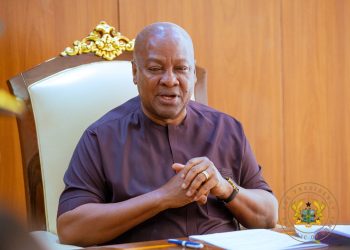
A lecturer at the Kwame Nkrumah University of Science and Technology (KNUST), Dr. Daniel Nkrumah, has raised concerns about the growing gap between academic training and the practical demands of the media industry, warning that many students are entering the field ill-prepared.
According to him, the problem is rooted in the largely theoretical nature of media education, which limits students’ exposure to real-world digital skills required in today’s fast-evolving media landscape.
In his address on the media education versus industry realities at the Media Convergence in Ghana, put together by the Africa Media Bureau on April 29, 2026, Dr. Nkrumah said the issue goes beyond curriculum design and reflects a broader systemic challenge affecting student readiness.
“Another challenge we have identified in the space is the ill-preparedness of the students,” he said, noting that many graduates struggle to meet the expectations of contemporary media practice.
He explained that the problem begins as early as the secondary school level, where students are not adequately introduced to media and digital skills before entering tertiary institutions.
“It starts at the secondary level, where they are not exposed or oriented. The fast pace of the semester also does not make it easy for students to acquire or build the digital skills they need,” he added.
Dr. Nkrumah stressed that without deliberate reforms, the gap between academic training and industry expectations will continue to widen, affecting the quality of professionals entering the media space.
He also questioned the capacity of some lecturers to effectively deliver courses in specialised areas such as digital media, particularly when practical experience is limited.
“Who teaches what and with what? If you ask someone to teach a course like digital media, how versatile is that person in the space?” he asked.
He pointed out that existing academic requirements, including certification standards set by the Ghana Tertiary Education Commission, may not always align with the practical expertise needed to train students for modern media environments.
Dr. Nkrumah called for a critical review of teaching approaches, curriculum design, and faculty capacity to ensure that students are better equipped with the skills required to thrive in the digital media industry.