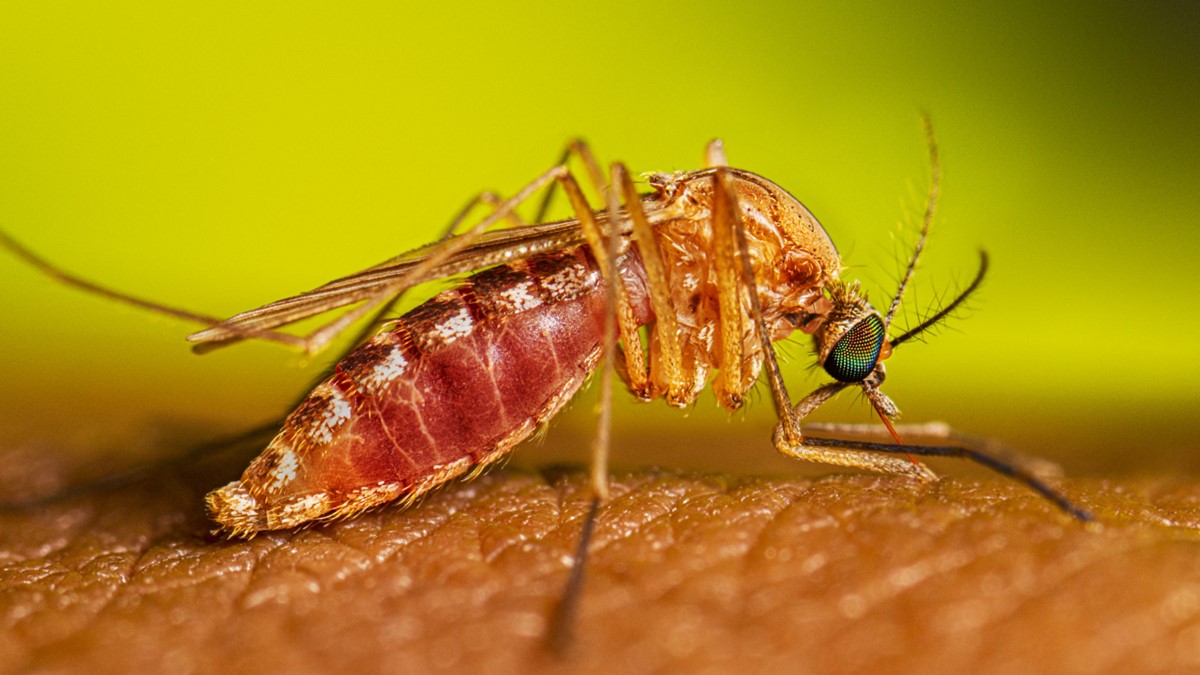
Inside a tightly controlled laboratory at Imperial College London, the mosquito is no longer just a vector of disease. It is becoming the subject of one of the most ambitious scientific interventions in modern public health: an attempt to reshape how malaria is transmitted by rewriting the rules of inheritance itself.
The setting is Lab2, home to research under the Target Malaria consortium, where scientists are developing gene drive technology, a genetic mechanism designed to spread specific traits through mosquito populations with unprecedented efficiency. The work sits at the intersection of molecular biology, mathematical modelling, ecology, ethics and global health policy, all converging on a single question: can malaria be driven out of existence by altering the biology of its carrier?
The visit to this facility on March 23 formed part of a UK–Ghana Capacity Building for Media Excellence in Science, Technology and Innovation reportage programme. Some Ghanaian and Nigerian journalists were selected for the knowledge exchange trip, moving through research spaces that rarely open to the public, let alone to media practitioners from malaria-endemic countries.
For many of us, it was not just a tour of scientific infrastructure. It was an encounter with a different scale of thinking about disease control, one where intervention is not limited to drugs, nets or vaccines, but extends into the genetic future of an entire species.
INSIDE IMPERIAL COLLEGE: THE ENGINE ROOM OF GENETIC INNOVATION
Imperial College London functions as the host institution for the Target Malaria consortium and the academic home of Professor Austin Burt, the project’s Global Principal Investigator. It is here that much of the foundational work on gene drive mosquitoes began, and where the architecture of the technology continues to evolve.
Within the Department of Life Sciences, three interconnected pillars define the research ecosystem.
The first is genetic engineering, led largely by the Crisanti laboratory, where genetically modified mosquito strains are constructed. These modifications are designed to disrupt malaria transmission pathways, including mechanisms linked to sex determination and reproduction. The aim is not simply to alter mosquitoes, but to ensure those changes persist across generations.
The second pillar is modelling, a collaboration between Imperial College London and the University of Oxford. Mathematical and computational models simulate how gene drive traits would behave in real-world environments, projecting outcomes across time and geography. These models help researchers anticipate not only effectiveness, but also potential ecological consequences before any field application is considered.
The third pillar is the global support system, a multidisciplinary team handling regulatory frameworks, risk assessment, stakeholder engagement, communications, finance and project coordination. It is here that science meets governance, ensuring that innovation is continuously weighed against ethical and societal responsibility.
At Oxford, complementary ecological research expands the lens further. Scientists study mosquito interactions within broader ecosystems, examining predator-prey relationships involving birds, bats, fish, reptiles and dragonflies. They also investigate whether suppressing one mosquito species could create space for others to expand, and whether mosquitoes play any role in pollination. The objective is to avoid unintended ecological disruption in any future deployment.
Together, these efforts form a layered system of inquiry: molecular precision at one level, ecological forecasting at another, and governance oversight throughout.
WHAT GENE DRIVE ACTUALLY DOES: REWRITING INHERITANCE
The science behind gene drive was explained during the Lab2 session by Dr Federica Bernardini, Senior Post-Doctoral Researcher at Imperial College London and part of the Target Malaria UK team.
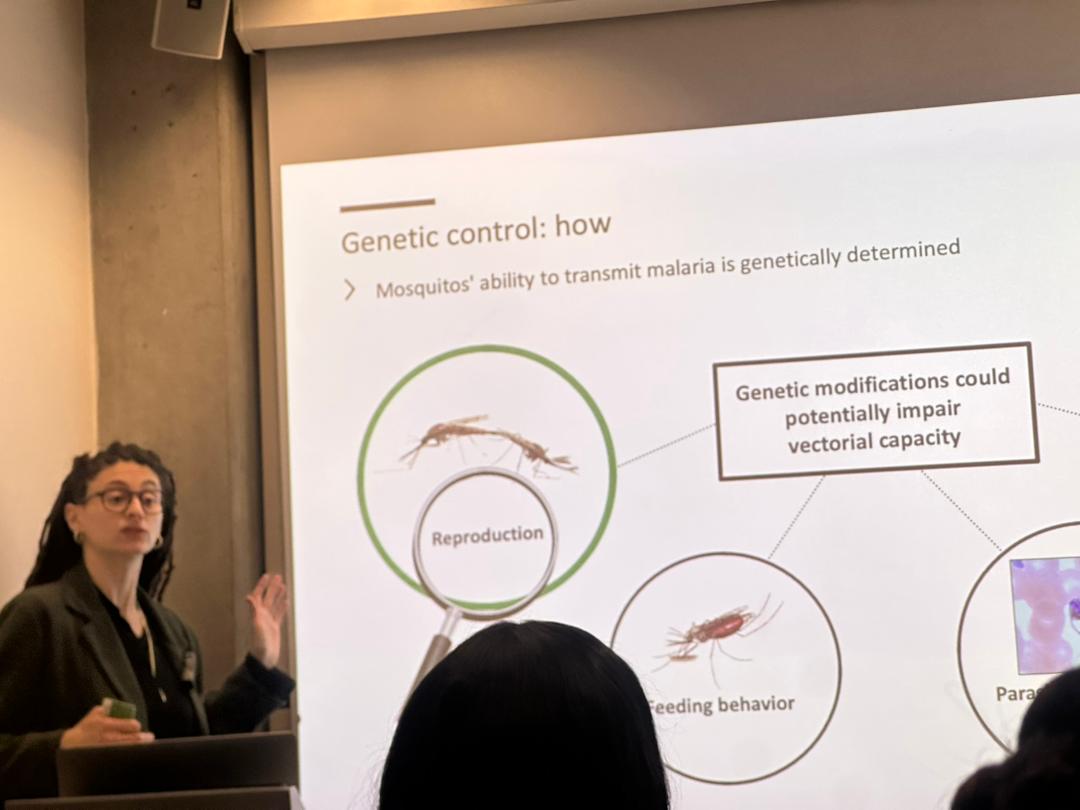
Under normal biological inheritance, genetic traits have roughly a 50 percent chance of being passed from parent to offspring. Gene drive fundamentally alters this probability, increasing it to nearly 100 percent.
In practical terms, if a genetic modification is introduced into mosquitoes to reduce their ability to transmit malaria, gene drive ensures that this modification spreads rapidly through subsequent generations. Instead of fading out over time, the trait propagates through the population with unusual efficiency.
“The gene drive technology allows a genetic trait to be inherited at a very high frequency,” Dr Bernardini explained. “Normally it is 50 percent, but with gene drive it can approach 100 percent.”
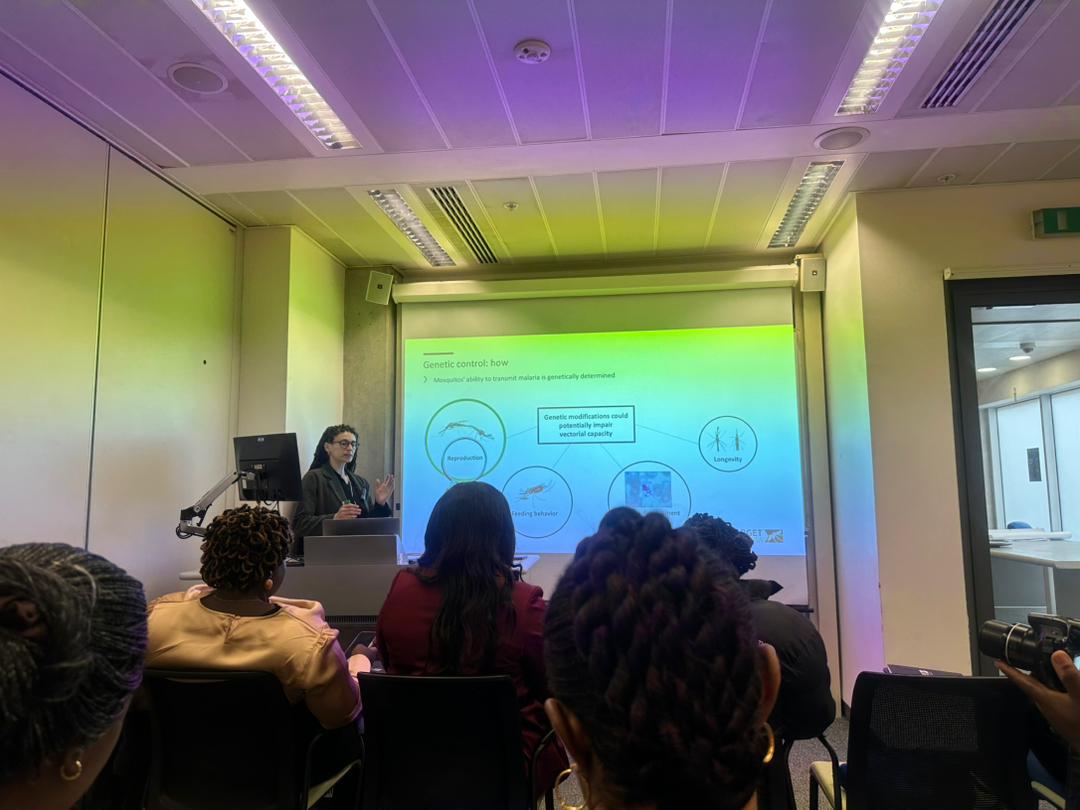
The significance lies in scale and speed. Because mosquitoes reproduce quickly and have short lifespans, a successfully engineered trait could spread through populations within a relatively short timeframe compared to conventional interventions.
Dr Bernardini was careful to temper expectations. Biological systems do not shift overnight, and gene drive is not an immediate solution.
“I would not expect to see an impact within three months,” she noted. “We are talking about a process that could be visible within a few years, but it requires extensive monitoring before and after any potential release.”
Gene drive, therefore, is not a rapid intervention tool. It is a long-term population-level strategy shaped as much by time and observation as by genetic engineering.
MALARIA: A DISEASE STILL OUTPACING PROGRESS
The urgency behind such innovation becomes clear when placed against the global malaria burden.
According to the World Health Organisation, malaria continues to infect over 200 million people annually and kills more than 600,000. In 2024 alone, an estimated 282 million cases were recorded globally, alongside approximately 610,000 deaths. Africa bears about 95 percent of this burden, with children under five accounting for nearly three-quarters of fatalities.
Ghana remains among the countries most affected, where malaria continues to rank among the leading causes of illness and death, recording roughly 35 deaths per 100,000 population.
Despite decades of intervention, progress is uneven. Since 2000, global efforts have averted billions of cases and millions of deaths, and 47 countries have been certified malaria-free. Yet the trajectory has stalled. In 2024, both cases and deaths saw a slight increase compared to the previous year.
The challenges are increasingly complex. Drug resistance is emerging in parts of Africa, insecticide resistance is widespread across most endemic countries, and invasive species such as Anopheles stephensi are expanding into urban environments. Diagnostic limitations and funding gaps further strain already fragile systems.
Global malaria financing in 2024 reached only 3.9 billion US dollars, less than half of what is required to meet 2025 targets, leaving a gap of more than 5 billion dollars.
The fight against malaria is therefore no longer purely biomedical. It is also economic, political and infrastructural.
WHO WARNING: PROGRESS IS FRAGILE
The scale of the challenge was underscored by WHO Director-General Dr Tedros Adhanom Ghebreyesus, who in his message for World Malaria Day 2025 warned that while global progress has saved millions of lives, it now stands at a precarious crossroads.
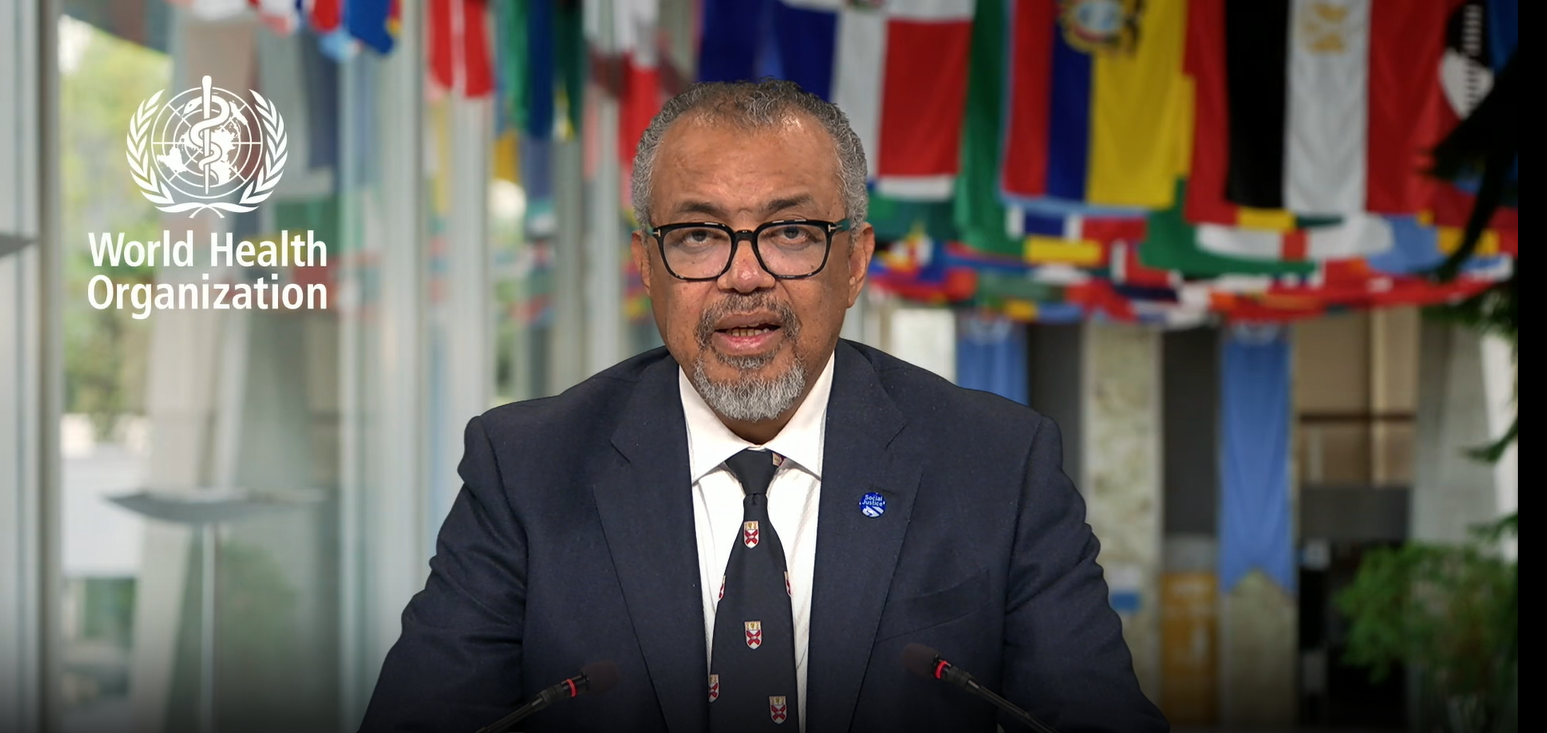
“Since world leaders made a commitment 25 years ago, an estimated 13 million lives have been saved,” he noted. “But today, drastic reductions in funding mean that millions of lives are at risk.”
He called for a renewed global push built on three pillars: reinvestment in malaria control, reimagining tools and strategies, and reigniting collective action across governments, researchers, communities and donors.
“Together, let’s make sure that malaria ends with us,” he added.
His message reframes the global scientific effort not as optional innovation, but as urgent necessity.
GHANA AT THE CENTRE OF A SHIFTING BATTLEFIELD
Ghana occupies a unique position within this global struggle. It is both a high-burden country and a testing ground for innovation. Alongside pilot vaccination programmes, the country has recorded significant progress in reducing malaria-related child mortality.
Recent data indicates an 86 percent decline in confirmed malaria deaths among children under five between 2018 and 2024 in areas where vaccination has been introduced. Infections have also declined from approximately 6.7 million cases in 2018 to 5.3 million in 2024.
Yet the gains remain fragile, shaped by access, funding, and systemic constraints. In many communities, malaria is still a routine part of life rather than an exception.
It is within this reality that technologies like gene drive acquire their significance. They are not abstract scientific ambitions, but potential tools in a context where existing tools, though effective, are not sufficient on their own.
ETHICS AT THE EDGE OF INNOVATION
Beyond the laboratory lies a set of questions that science alone cannot answer.
Should humanity alter the genetic structure of an entire species to eliminate disease? What are the ecological consequences of reducing or reshaping mosquito populations? Who decides when such technologies move from laboratory to field?
These questions are central to the Target Malaria programme. Ecological studies at Oxford and in collaboration with the University of Ghana are designed precisely to anticipate unintended consequences, from shifts in food chains to changes in mosquito species dynamics.
The science is therefore inseparable from governance. Every genetic design is accompanied by regulatory review, stakeholder engagement and long-term environmental monitoring frameworks.
THE JOURNALIST’S VIEW FROM WITHIN THE LAB
Moving through Imperial College’s research spaces, what stood out was not only the complexity of the science, but the deliberate caution surrounding it.
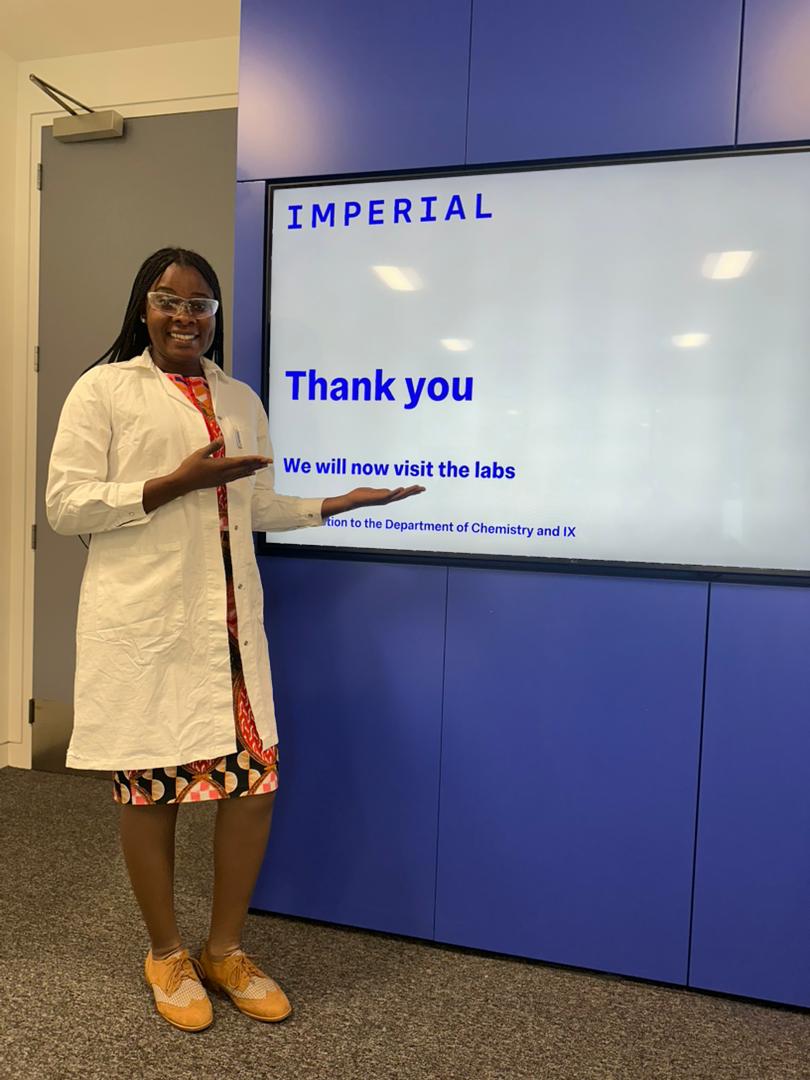
There is no language of certainty here, only probability, modelling and layered validation. Every claim is tempered by the awareness that biological systems are unpredictable, and that public trust is as critical as scientific success.
For me, the experience offered more than information. It offered proximity to decision-making spaces that will likely shape the future of disease control in Africa. It also underscored a gap that often exists in science communication: the distance between laboratory innovation and public understanding.
A WORLD STILL WAITING FOR A TURNING POINT
The World Malaria Day 2026 theme, “Driven to End Malaria: Now We Can. Now We Must,” captures both the optimism and urgency of this moment.
Progress is undeniable. Millions of lives have been saved. Dozens of countries have eliminated malaria. New tools, from vaccines to improved nets and preventive therapies, are expanding protection across vulnerable populations.
Yet malaria remains one of the world’s deadliest infectious diseases, and the pace of decline is not fast enough to meet global targets.
Gene drive represents one of the most radical scientific propositions yet conceived in this fight. It is not a promise of immediate transformation, but a possibility of long-term disruption of the disease cycle itself.
And in laboratories such as those at Imperial College London, that possibility is being carefully constructed, tested and constrained by science, ethics and time.
THE MOSQUITO AND THE FUTURE IT CARRIES
The paradox is striking. The mosquito remains the deadliest animal on earth, yet within its biology lies the blueprint for its own undoing.
Whether gene drive becomes a defining breakthrough or a cautious scientific experiment will depend not only on the precision of laboratory work, but on the strength of global governance, funding commitment and public trust.
For Ghana and much of Africa, the stakes are immediate and human. They are measured not in laboratory models, but in hospital beds, childhood fevers and lives cut short by a preventable disease.
And so the question is no longer only whether science can change the mosquito.
It is whether the world is ready to let it.
The writer is a journalist with Citi FM/Channel One TV
Email: [email protected]