Ghana continues to maintain its position as one of the most stable countries in West Africa. However, the shifting security situation in parts of the Sahel, especially in Burkina Faso and Mali, is drawing increased attention as it begins to affect various activities along Ghana’s northern borders.
These trends are becoming visible in a growing movement through both official and informal border routes, as well as changing patterns of life in border communities across the Upper East and North East regions. Such trends are not unique to Ghana and are consistent with broader regional patterns observed across West Africa.
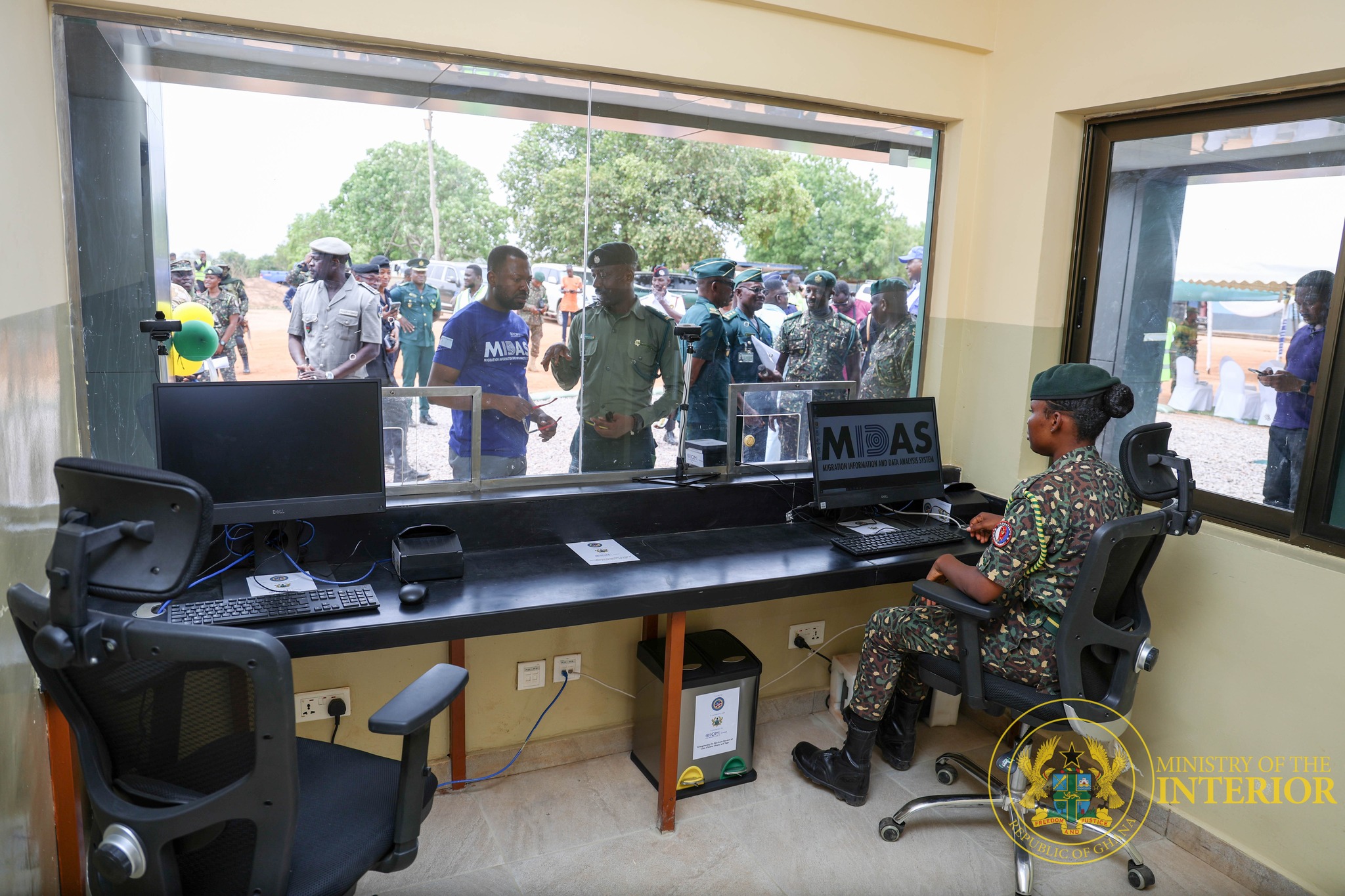
In response, national security institutions continue to strengthen coordination mechanisms aimed at improving border management, early detection of irregular events, and information sharing between relevant agencies.
These efforts form part of ongoing national security planning and regional cooperation frameworks, including engagements under ECOWAS and related multilateral platforms.
Within this context, border management is recognised as the coordinated institutional function that integrates security forces, intelligence, and administrative capacities. The objective is to ensure timely information flow between all the parties involved and effective response mechanisms implemented.
International experience indicates that many countries are progressively enhancing border management systems through cooperation between government institutions and technical service providers. In such models, governments retain full control over security decision – making and data governance, while working with accredited technology and systems integration partners.
Ghana’s approach remains grounded in these principles, with emphasis on institutional strengthening, inter – agency cooperation, and continuous improvement of border management capabilities in line with the evolving regional conditions.
As security dynamics in the Sahel continue to escalate, sustained investment in coordination, information systems, and operational readiness will remain an important component of maintaining Ghana’s national stability and its role in the wider West African security architecture.