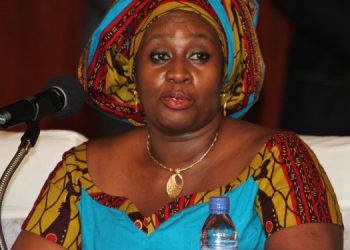
A Member of the Parliamentary Health Committee, Dr. Kingsley Agyemang, has warned that Ghana’s preparedness to prevent a potential Ebola outbreak is woefully inadequate, arguing that existing measures are overly concentrated in Accra and fail to reflect nationwide readiness.
He says the current emergency preparedness framework for Ebola and other highly infectious diseases lacks the necessary reach across district and regional health facilities, raising concerns about the country’s ability to detect and contain an outbreak if it occurs outside the capital.
Speaking on Breakfast Daily on Channel One TV on Wednesday, May 27, Dr. Agyemang said recent preparedness assessments conducted by the Ghana Health Service and the Ministry of Health, have largely focused on selected facilities in Accra, leaving significant gaps in other parts of the country.
According to him, while demonstrations of readiness at some health facilities in the capital may project a positive outlook, they do not provide a true reflection of Ghana’s overall capacity to respond to an Ebola outbreak.
“We have been following keenly what is happening across Africa and what the Director-General of the Ghana Health Service has been presenting. But what we have seen is very unsatisfactory,” he said.
Dr. Agyemang stressed that assessing preparedness based on a limited number of facilities in Accra is insufficient, noting that Ghana’s health security must be evaluated on a national scale.
He warned that if an outbreak were to occur outside Accra, gaps in surveillance systems, logistics, and response capacity could be exposed, especially if preparedness efforts remain unevenly distributed.
“Because this is a cross-border issue, the question remains: you have visited a few facilities in Accra, but Ghana is not just Accra. How prepared is the health system? And when I say the health system, I mean from the district level through the regional level, and even in Accra. What happens if an Ebola case emerges in, say, Sege or Ada? How prepared are government facilities in Ada?” he added.
He called for stronger investment in district and regional health infrastructure, training, and emergency response systems, stressing that national preparedness should not be capital-centric.
Dr. Agyemang concluded that while some efforts have been made to demonstrate readiness, the overall system remains “woefully inadequate” to effectively manage a potential Ebola outbreak across the country.
Meanwhile, the Ministry of Health and the Ghana Health Service say surveillance, screening, preparedness, and response systems have been intensified at health facilities and points of entry to safeguard public health.
The WHO recently declared the Ebola outbreak in parts of the Democratic Republic of Congo a Public Health Emergency of International Concern after hundreds of suspected infections and dozens of deaths were reported.
Although the outbreak is currently concentrated in Central and East Africa, health authorities worldwide have heightened surveillance amid fears of cross-border transmission.