Government is being encouraged to use Ghana’s new Policy Coordination Instrument (PCI) programme with the International Monetary Fund (IMF) as an opportunity to significantly strengthen domestic revenue mobilisation and reduce the country’s dependence on borrowing.
A stronger tax system according to tax analysts will be critical to improving fiscal sustainability, narrowing budget deficits and preventing a return to future bailout programmes.
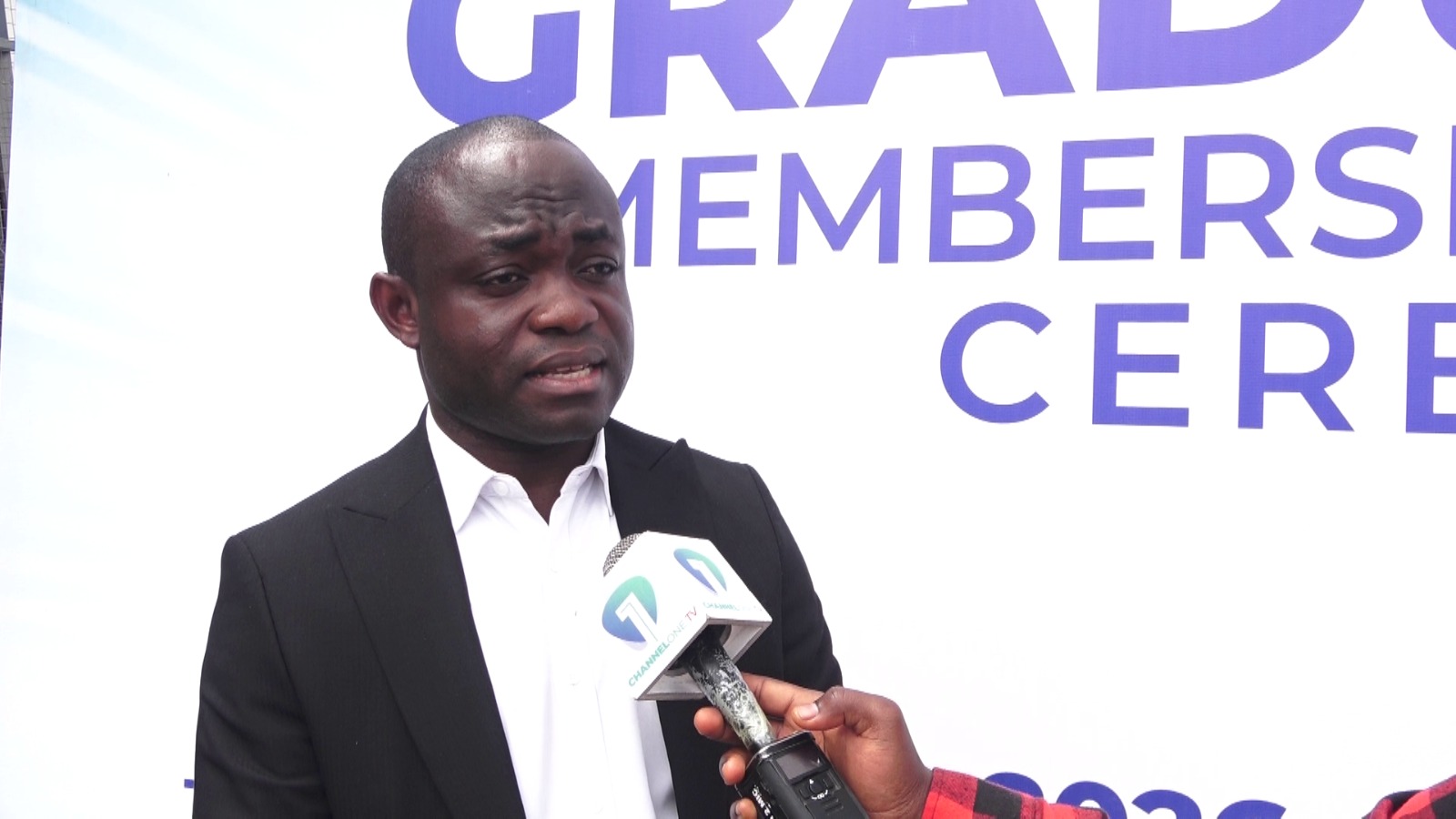
Speaking to Citi Business News on the sidelines of the Chartered Institute of Taxation Ghana’s (CITG) May 2026 Graduation and Membership Induction Ceremony, Tax Analyst, Francis Timore Boi said Ghana must prioritise revenue generation over spending beyond its means.
“We should not spend when we do not have the money. So, the baseline is that revenue must increase. Globally, aid is being cut off. Aid is declining and so, there’s the need for Ghana to raise revenue. Look at the size of our GDP. Very huge. But how much can we attribute to tax revenue?”
“Less than 18% which means that if we do not change the way we raise revenue from both natural resources, from businesses and everything, it is going to get to a point where we have no other choice than to go back to IMF, which we are all saying that enough is enough. Within these 36 months that we have agreed under the PCI, I think that government should turn its attention to domestic revenue mobilization,” he said.
Retired Court of Appeal Judge Margaret Welbourne also emphasized the need to expand the country’s pool of tax professionals.
She further highlighted the importance of bringing more participants in the informal sector into the tax net to broaden Ghana’s revenue base.
“I also believe that these new members will bring shape policy, especially government policy and educate also the policymakers and the governors to be accountable for the taxes that they collect,” she said.
“The more people are informed, the more people keep records, the more people streamline their businesses, the more they can be brought into the formal net and that is broadening the taxpayer base and therefore lessening maybe the tax burden also on the corporate sector or the formal sector,” she added.
Persistent budget deficits and reliance on borrowing to finance fiscal gaps continue to pose challenges to Ghana’s public finances.
The Chartered Institute of Taxation Ghana believes a stronger domestic revenue base remains critical to achieving sustainable fiscal stability.